Oishii Positions Vertically Farmed Japanese Berries in Grocery and Culinary Markets
The vertically farmed berry brand, in Whole Foods across New York City, New Jersey, Connecticut, and D.C., operates a Chelsea Market kiosk and has cultivated a following at Michelin-starred restaurants.
- Co-founders
- Hiroki Koga (CEO) and Brendan Somerville
- Current retail partner
- Whole Foods Market in NYC, New Jersey, Connecticut, and D.C., per the company
- NYC kiosk
- Chelsea Market, 75 Ninth Ave, open Thursday through Sunday noon to 8 p.m.
- Product lineup
- Omakase Berry, Koyo Berry, Nikko Berry, and Rubī Tomato
- Certifications
- Non-GMO Project Verified and pesticide-free, per the company
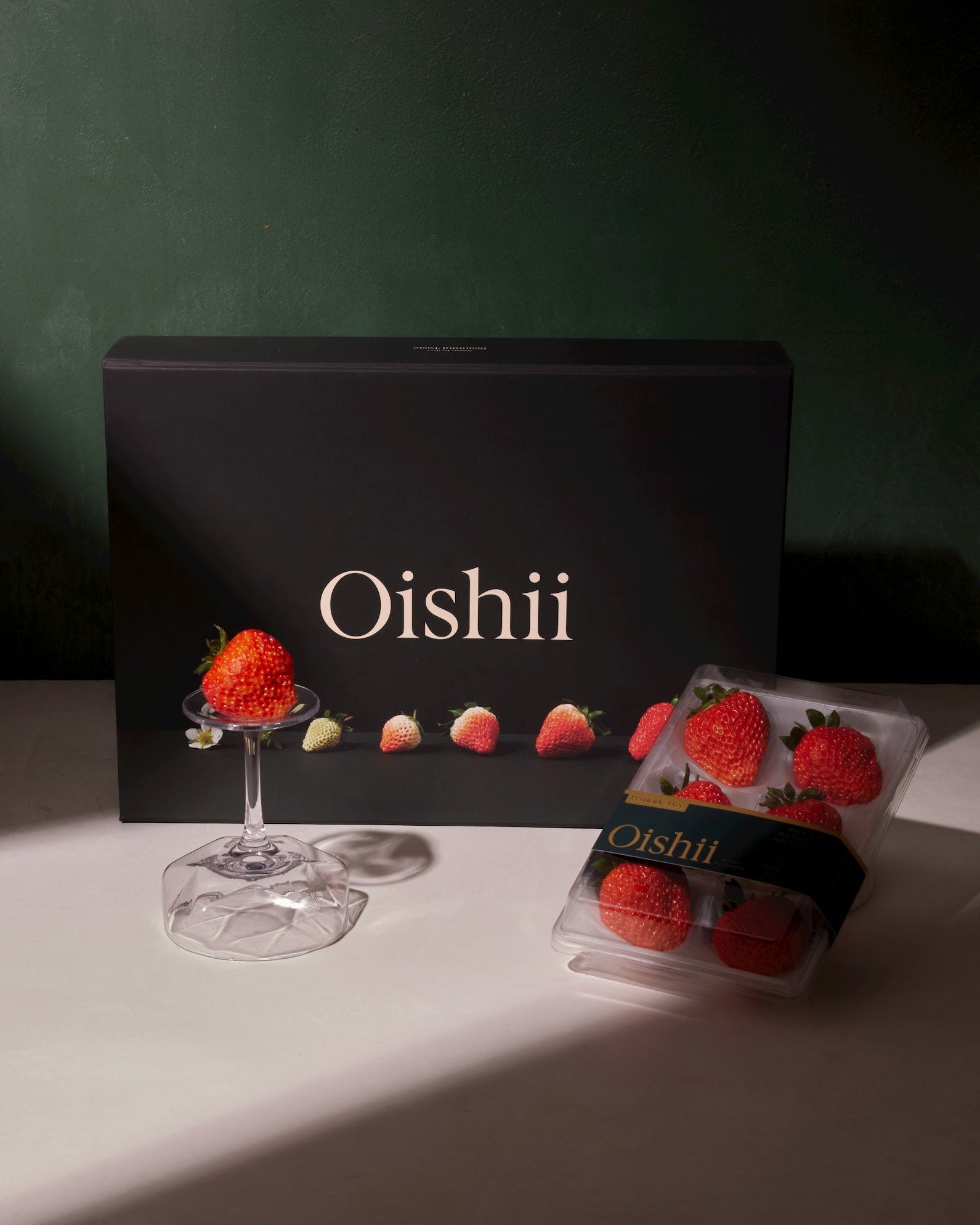
Oishii, the vertically farmed berry brand co-founded by Hiroki Koga and Brendan Somerville, has established a retail presence centered on the New York metropolitan area, with distribution through Whole Foods Market and a dedicated kiosk at Chelsea Market.
The company, which describes itself as the world's largest indoor strawberry smart farm, has built its brand around Japanese-inspired varieties including the Omakase Berry, the Koyo Berry, and the Nikko Berry, as well as the Rubī Tomato, grown vertically in New Jersey. Its established retail foothold includes a partnership with Whole Foods Market across stores in New York City, New Jersey, Connecticut, and Washington D.C., per the company. Oishii also operates a retail kiosk at New York City's Chelsea Market, running Thursday through Sunday. Koga serves as CEO.
Press coverage highlighted on the company's own site describes Omakase Berries appearing on Michelin-starred menus at prices around $50, positioning Oishii squarely in the luxury produce tier.
Why it matters
Oishii's current model, a premium grocery partnership with Whole Foods and a direct-retail kiosk, raises the broader question of whether indoor growing can eventually reach mainstream channels. How Oishii manages the tension between its luxury brand equity and the price sensitivity of a mass-market audience will be watched closely by investors and operators across the vertical farming space. A credible proof point here would do more for the category's investment case than any single funding announcement.
What to watch
The central open question is whether Oishii can hold a meaningful price premium once it competes on the same shelf as conventional strawberries in mainstream grocery. If the brand succeeds at preserving that gap at scale, it offers a replicable model for the vertical farming sector. If it must compress margins to win and maintain placement, that trade-off will signal how far indoor produce still has to travel before it can operate viably outside the premium tier.
Featured on @cpglatest: see the post
Sources
Related coverage
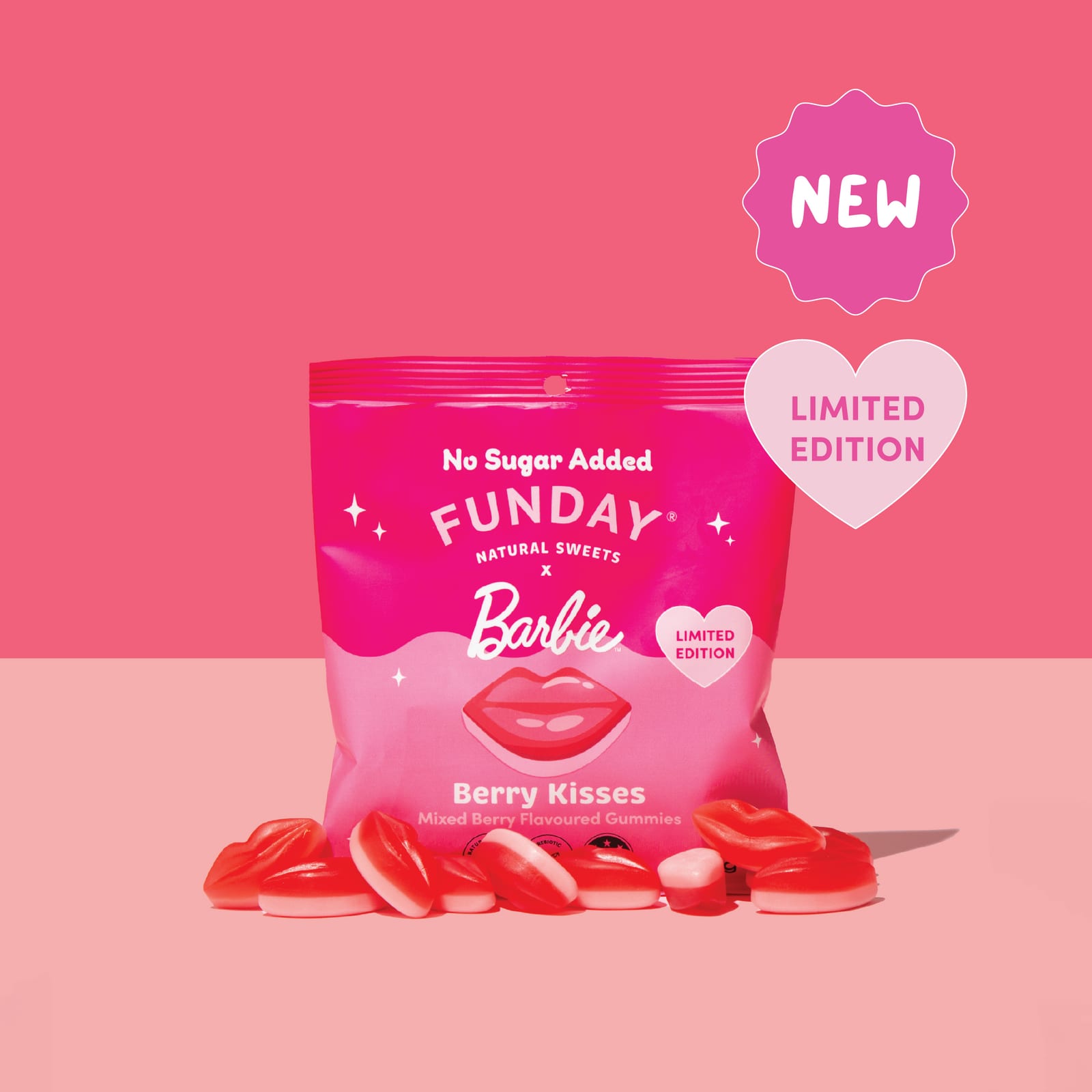
FUNDAY Natural Sweets Enters U.S. Market With Target Rollout
The Australian better-for-you gummy brand entered almost 1,200 U.S. Target locations on September 13, 2026, with five flavors, as first reported by Snack & Bakery.
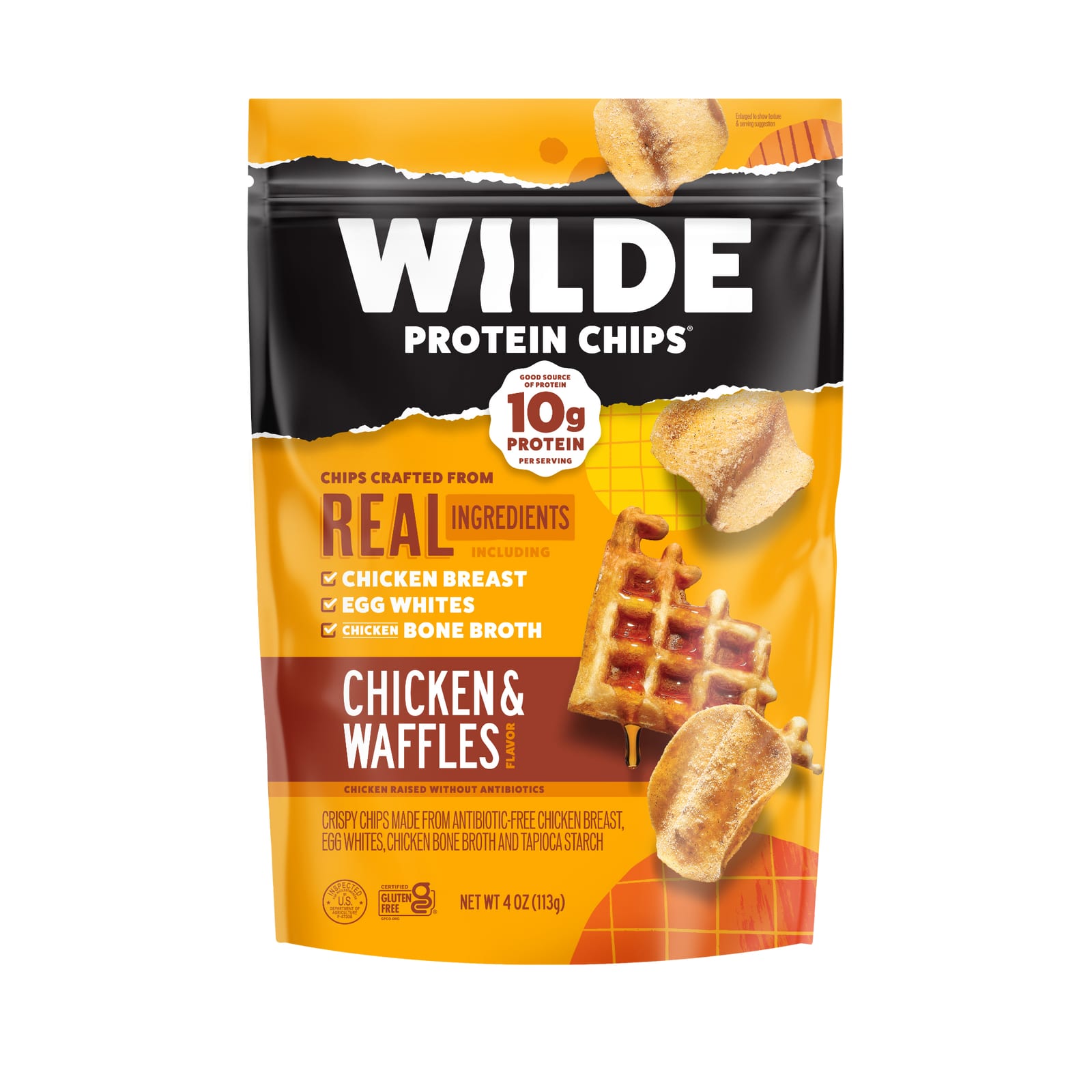
WILDE Protein Crackers Expand Into Walmart With Chicken-Based Formula
WILDE, the chicken breast chip brand, is extending into the cracker aisle with four flavors now rolling out at Walmart in-store and online.
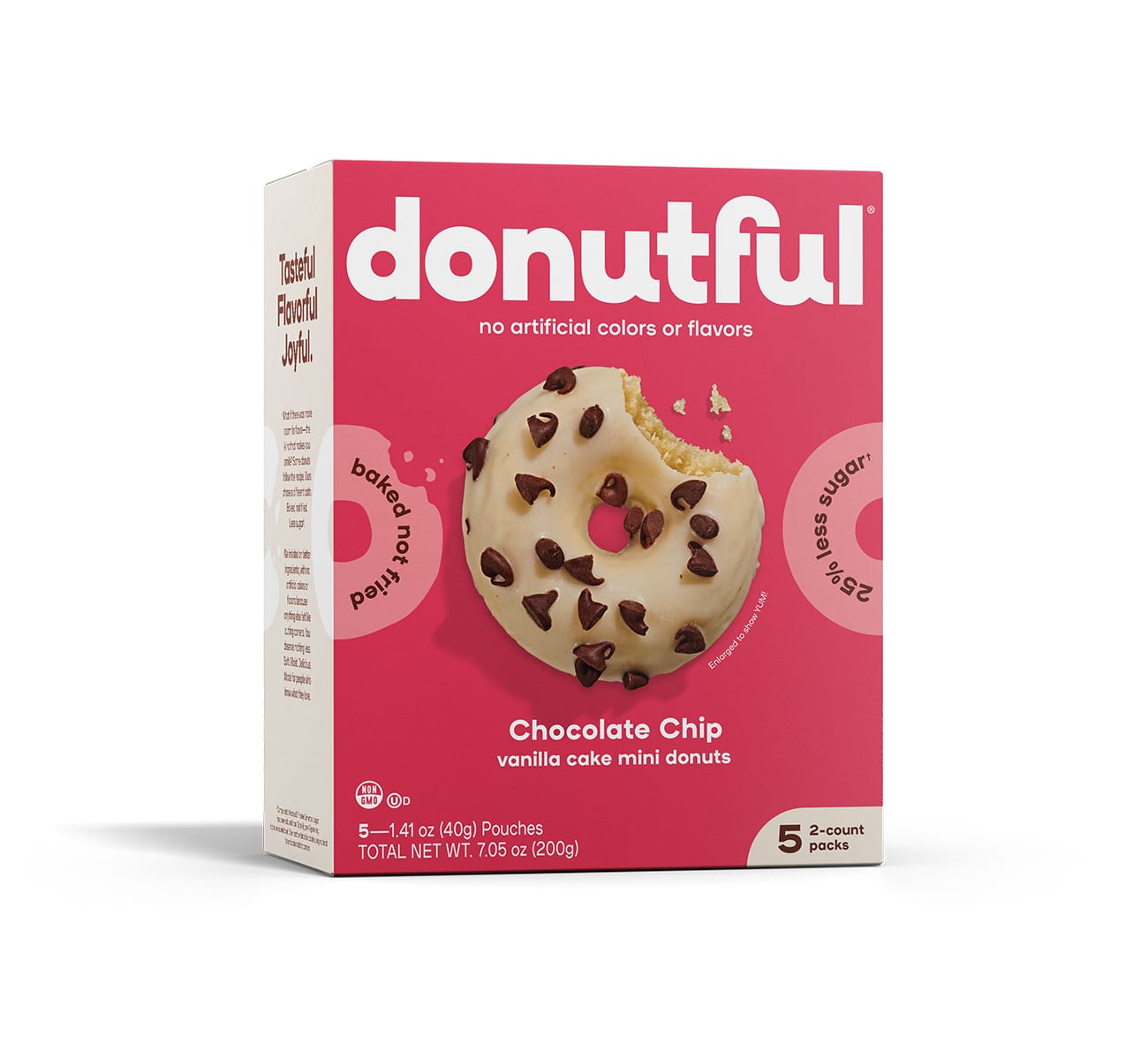
Bakeful Expands Mini Donuts, Muffins and Brownie Line Across Target, Walmart and Regional Grocers
The better-for-you baked snack brand is placing its Donutful, Muffinful and Brownieful product lines at national mass and regional grocery retailers, with Brownieful exclusive to Target, per the company.