Electrolit Volume Jumps 27.5% as Powerade and BodyArmor Lose Ground
NielsenIQ data shows the Grupo Pisa-owned brand posting 27.5% volume growth in a recent four-week period, far outpacing Gatorade, as a $400 million Waco plant prepares to add 600,000 sq ft of U.S. capacity.
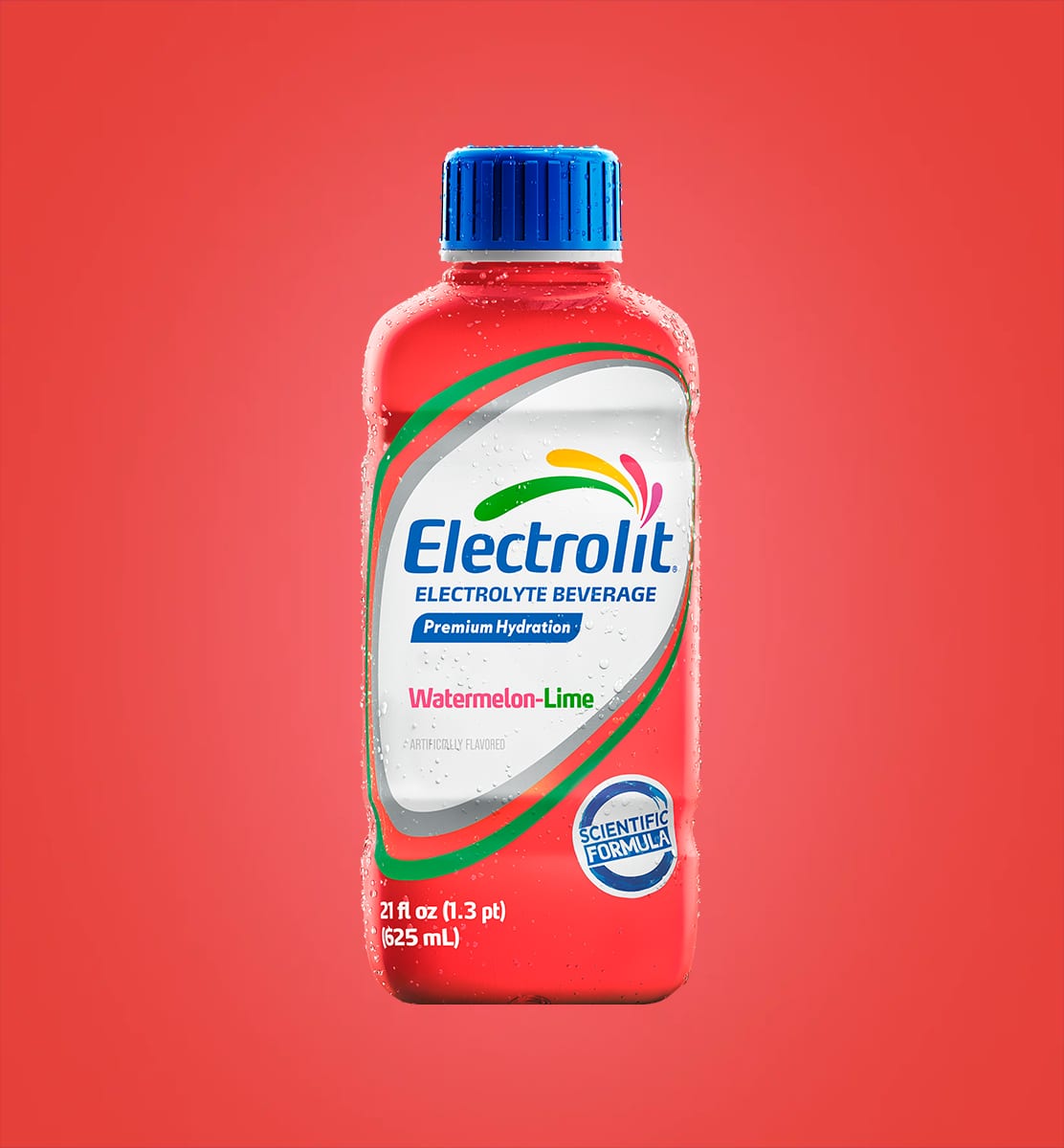
- Volume growth (NielsenIQ)
- Up 27.5% over a recent four-week period, vs. Gatorade at 2.9%
- Competitor performance
- Powerade and BodyArmor combined down 3.4% in the same period
- U.S. market entry
- Entered the United States in 2014; brand founded 1950 by Grupo Pisa
- Waco facility investment
- $400M plant adding 600,000 sq ft of domestic production capacity
- Distribution partnership
- U.S. distribution accelerated through Keurig Dr Pepper
Electrolit, the electrolyte beverage brand born from the labs of Grupo Pisa in 1950, is posting gains in U.S. measured channels that significantly outpace legacy hydration brands. NielsenIQ data covering a recent four-week period shows Electrolit volume up 27.5%, while Gatorade grew just 2.9% in the same window. Powerade and BodyArmor both contracted, falling a combined 3.4%.
The brand entered the United States in 2014 after decades of scale in Latin America, where it sold more than 200 million bottles in 2016 alone, per the company. That international base has funded an increasingly aggressive domestic buildout. Electrolit has accelerated U.S. distribution through Keurig Dr Pepper and is constructing a $400 million manufacturing facility in Waco, Texas, that will add 600,000 square feet of production capacity.
The Waco plant signals a strategic shift from import-reliant distribution toward a domestic supply infrastructure capable of supporting national retail shelf presence at scale. The investment also reduces exposure to cross-border logistics costs, a structural disadvantage that has historically constrained challenger brands trying to compete with domestically manufactured incumbents on price and availability.
Why it matters
The U.S. sports and hydration drink category has long been dominated by brands owned by the two largest beverage conglomerates, making it one of the harder segments for independent or foreign-origin challengers to crack at retail. Electrolit's NielsenIQ performance suggests the brand has moved beyond novelty or regional niche status. A 27.5% volume gain during any four-week window is meaningful on its own; achieved while two established competitors are declining, it points to genuine category share movement rather than overall category expansion. The Keurig Dr Pepper distribution agreement gives Electrolit access to a network built for competing at convenience and grocery scale, a prerequisite for sustained mainstream growth rather than specialty-channel momentum.
The Grupo Pisa lineage is also worth noting from a competitive positioning standpoint. Electrolit was developed within a pharmaceutical company, which gives the brand a scientific heritage narrative that distinguishes it from the performance-sports framing that Gatorade and Powerade have owned for decades. As consumers continue diversifying away from legacy sports drinks, that repositioning is increasingly an asset.
What to watch
The central open question is whether the Waco facility, once operational, can keep supply consistent enough to sustain continued shelf-space gains at major retailers without the stockout risk that has derailed challenger brands at similar growth inflection points. How quickly Keurig Dr Pepper converts that distribution relationship into incremental door count will determine whether Electrolit's current volume trajectory extends beyond a strong four-week snapshot into durable category leadership.
Featured on @cpglatest: see the post
Sources
Related coverage
Kraft Heinz to Sell North American Coffee Business to One Rock Capital for $650 Million
One Rock Capital Partners will take a majority stake in seven brands including Maxwell House and Gevalia, while Kraft Heinz retains 30% and applies roughly $500 million in proceeds to debt reduction.
Authentic Brands Group Completes Acquisition of Lee in Deal Valued at Up to $1 Billion
WWD first reported the close of ABG's acquisition of Lee's intellectual property from Kontoor Brands, with regional licensing partners already secured for North America, Europe, China and Mexico.
Kalder Loyalty Platform Acquired by Luumis
Kalder positioned itself as a rewards infrastructure platform built for brands seeking to commercialize their loyalty programs.