Chobani commits $1.2 billion to Pennsylvania dairy campus acquired from Keurig Dr Pepper
Chobani plans to acquire Keurig Dr Pepper's Allentown campus for roughly $125 million and invest a total of $1.2 billion to build capacity for high-protein milk, shakes and other dairy products.
- Total planned investment
- $1.2 billion, per the company
- Site acquisition cost
- Approximately $125 million, per the company
- Campus size
- 1.5-million-square-foot Allentown facility
- Jobs expected
- More than 900 new positions, reported
- Milk throughput at scale
- 3 billion-plus pounds of Pennsylvania milk annually, reported
Chobani has announced a $1.2 billion manufacturing investment in Pennsylvania, anchored by the planned acquisition of Keurig Dr Pepper's Allentown campus. The deal, valued at roughly $125 million for the site itself, will give the yogurt-turned-dairy platform a 1.5-million-square-foot facility that it intends to expand into a high-volume production hub for high-protein milk, shakes and other dairy products.
At full scale, Chobani says the facility could process more than 3 billion pounds of Pennsylvania milk annually, with up to 10 production lines planned by 2031. The project is expected to create more than 900 jobs, making it one of the more significant single-site manufacturing commitments in the domestic dairy sector in recent years.
The move reflects a deliberate push by Chobani beyond its yogurt origins. Demand for protein-focused dairy formats, including ready-to-drink shakes and high-protein fluid milk, has accelerated across retail channels, and the company is positioning itself to serve that demand from domestic soil rather than stretching existing capacity.
Why it matters
A $1.2 billion capital commitment signals that Chobani is treating its protein-dairy expansion as a core platform play, not a line extension. Acquiring a former beverage-company campus rather than building from scratch compresses the timeline to production and reduces greenfield risk. For the broader dairy category, the investment underscores how the protein trend is reshaping capital allocation: manufacturers that once competed primarily on culture and flavor are now competing on throughput and supply-chain resilience. The Pennsylvania location also ties Chobani closely to a large regional milk supply, which could prove a structural cost advantage as input prices remain volatile.
What to watch
The critical open question is execution pace. With up to 10 production lines targeted by 2031, the ramp will span several years and multiple capital tranches. Whether consumer demand for high-protein dairy formats holds at the volume Chobani is betting on, and whether the company can fill that capacity profitably before the full build-out is complete, will determine whether the Allentown campus becomes a competitive moat or an overhang on the balance sheet.
Featured on @cpglatest: see the post
Sources
Related coverage
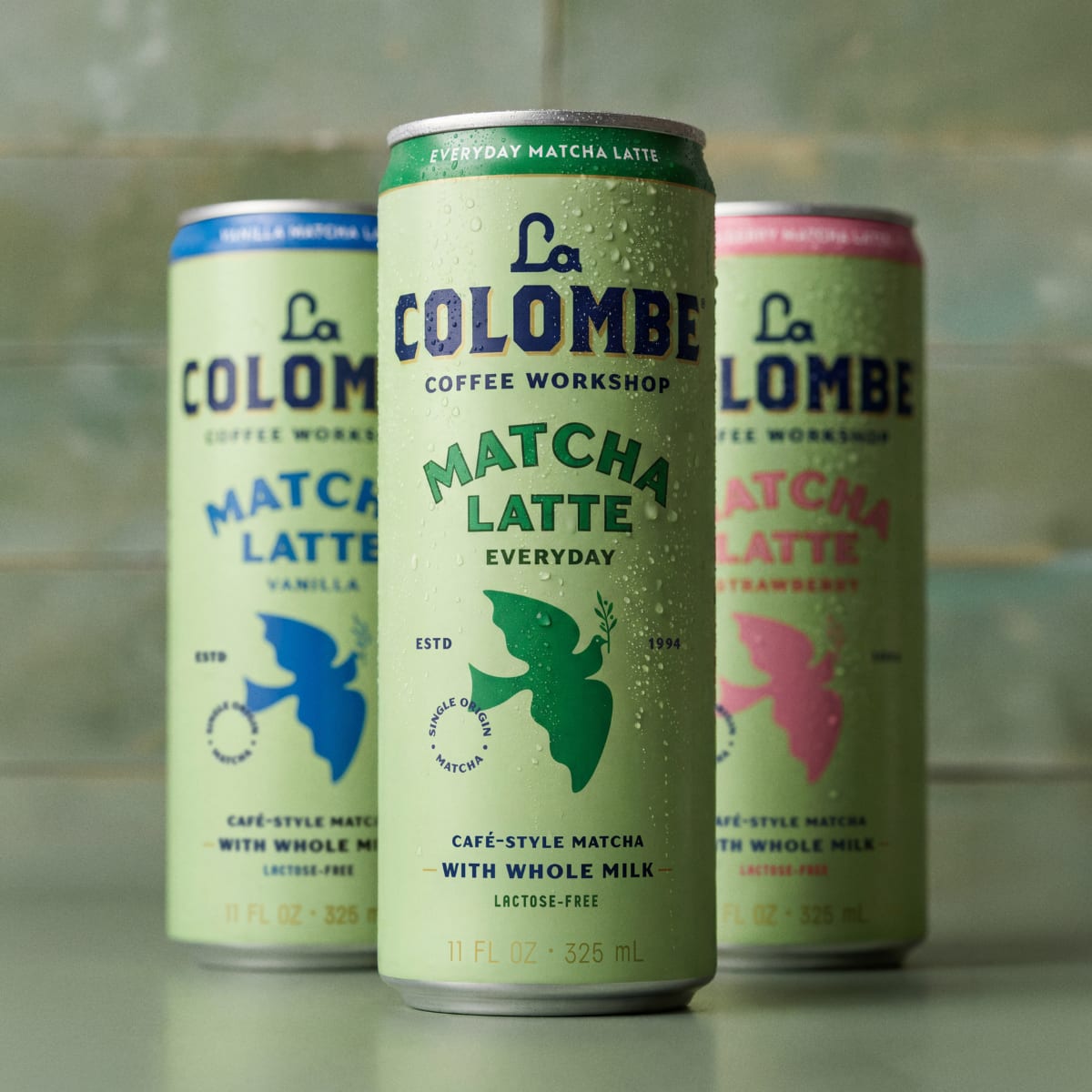
La Colombe Launches Canned Matcha Lattes After 188% Café Sales Growth
The Philadelphia roaster enters ready-to-drink matcha with three flavors made from single-origin Japanese matcha and Michigan lactose-free whole milk, citing strong demand from its café network.
Kraft Heinz to Sell North American Coffee Business to One Rock Capital for $650 Million
One Rock Capital Partners will take a majority stake in seven brands including Maxwell House and Gevalia, while Kraft Heinz retains 30% and applies roughly $500 million in proceeds to debt reduction.
Authentic Brands Group Completes Acquisition of Lee in Deal Valued at Up to $1 Billion
WWD first reported the close of ABG's acquisition of Lee's intellectual property from Kontoor Brands, with regional licensing partners already secured for North America, Europe, China and Mexico.