Stoked Oats Scales to Eight Figures With Seven Staff and No Institutional Venture Capital
The Canadian oat brand reports profitable eight-figure annual revenue nearly doubled in 2025, with no institutional venture capital and a seven-person team spanning Costco distribution across North America and Asia.
- Annual revenue
- Profitable eight-figure, reported
- Core team size
- Seven people
- 2025 revenue growth
- Nearly doubled, reported
- Capital structure
- No institutional venture capital raised
- Costco velocity
- One item outselling displaced incumbent by 40%, per the company
Stoked Oats, the Canadian oat brand, has reached profitable eight-figure annual revenue while keeping its core headcount at seven people and forgoing institutional venture capital, a combination that is rare at this revenue level in the natural foods category.
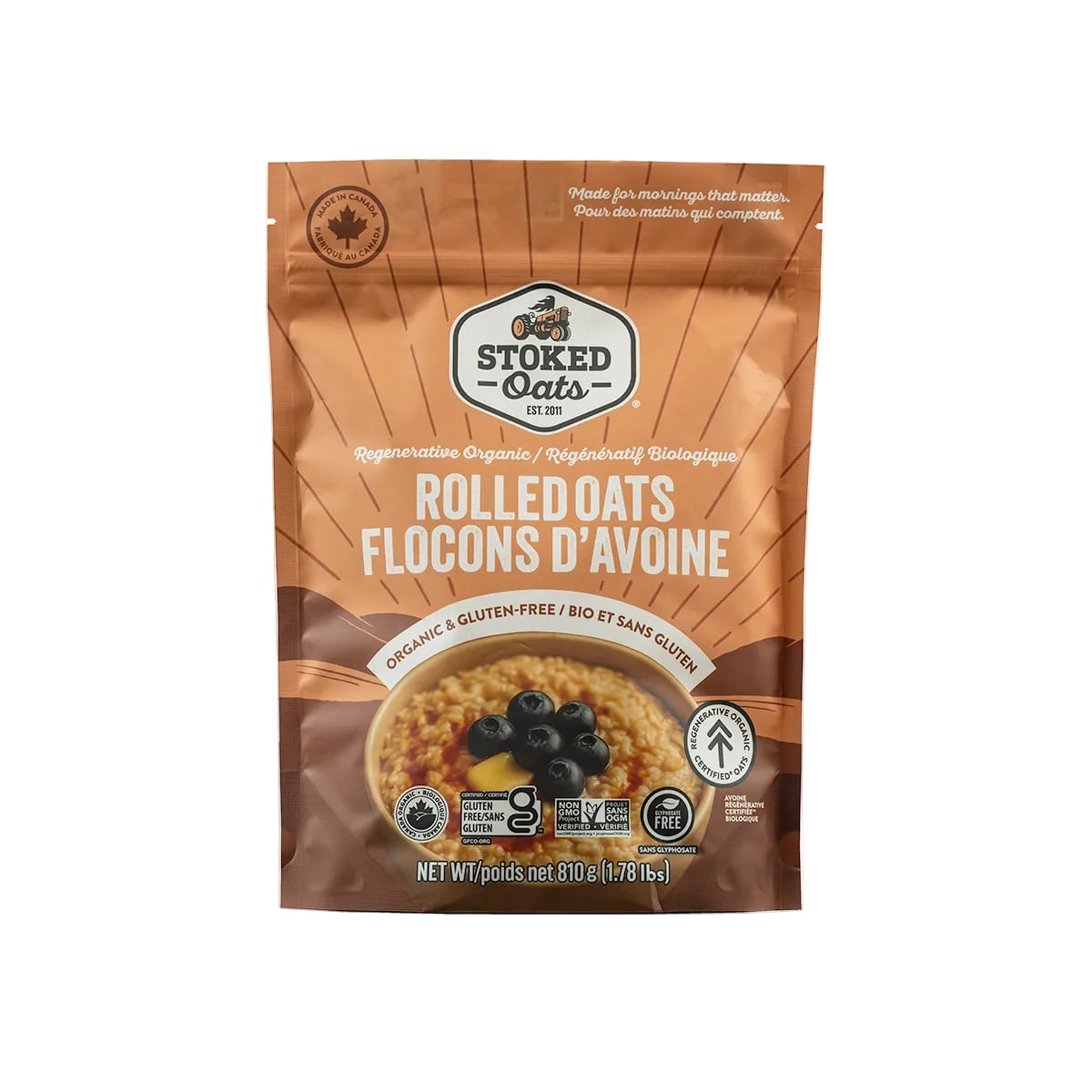
The company has grown from homemade oatmeal blends into a lineup that now includes granola, protein cereal, pancake mixes and its NEXTY Award-winning OatRice, sold alongside products such as Stone Age Oats and Buck Wild Granola. Stoked Oats markets its products as gluten-free, non-GMO certified and made in Canada. Distribution spans Costco and Sprouts in the United States, major Canadian retailers and Costco locations in Asia. Revenue nearly doubled in 2025, and the company says it is on track to repeat that performance in 2026. One Stoked Oats item at Costco is already outselling the incumbent product it displaced by 40 percent, per the company.
The direct-to-consumer channel runs alongside its retail footprint, with free shipping offered on orders of fifty dollars or more, suggesting the brand is managing multiple volume streams from its lean organizational base.
Why it matters
The Stoked Oats trajectory challenges a long-standing assumption in CPG that reaching eight figures requires either a substantial headcount or institutional backing. The brand's growth suggests that anchoring distribution in high-velocity club-channel accounts can substitute for the broad trade spend and expanded organizational infrastructure that venture-backed peers typically deploy. The result is a capital-efficient model that preserves ownership while still competing in the premium, natural and better-for-you grocery segments where shelf presence is increasingly contested.
The international Costco footprint is also notable. Club retail has become a proving ground for emerging CPG brands, but gaining traction across North American and Asian Costco locations while running a seven-person operation signals a degree of operational precision that larger, better-funded competitors may struggle to replicate at the same cost base. For founders weighing dilution against the discipline that capital constraints impose, this model will attract attention.
What to watch
Whether Stoked Oats can sustain consecutive years of near-doubling growth is the most immediate open question. Costco's model rewards consistent sell-through and penalizes any disruption to supply or velocity. Managing compliance, logistics and retailer relationships across multiple international markets from a small team will test whether the lean structure that drove early growth becomes a constraint as the brand pushes further into new distribution.
Featured on @cpglatest: see the post
Sources
Related coverage
Kraft Heinz to Sell North American Coffee Business to One Rock Capital for $650 Million
One Rock Capital Partners will take a majority stake in seven brands including Maxwell House and Gevalia, while Kraft Heinz retains 30% and applies roughly $500 million in proceeds to debt reduction.
Authentic Brands Group Completes Acquisition of Lee in Deal Valued at Up to $1 Billion
WWD first reported the close of ABG's acquisition of Lee's intellectual property from Kontoor Brands, with regional licensing partners already secured for North America, Europe, China and Mexico.

Kalder Loyalty Platform Acquired by Luumis
Kalder positioned itself as a rewards infrastructure platform built for brands seeking to commercialize their loyalty programs.