Real Good Foods Surpasses $1.2 Billion in Cumulative Retail Sales
The frozen food brand, which began in 2018 with two products sold direct-to-consumer, now distributes across more than 16,000 stores including Walmart, Kroger, and Costco.
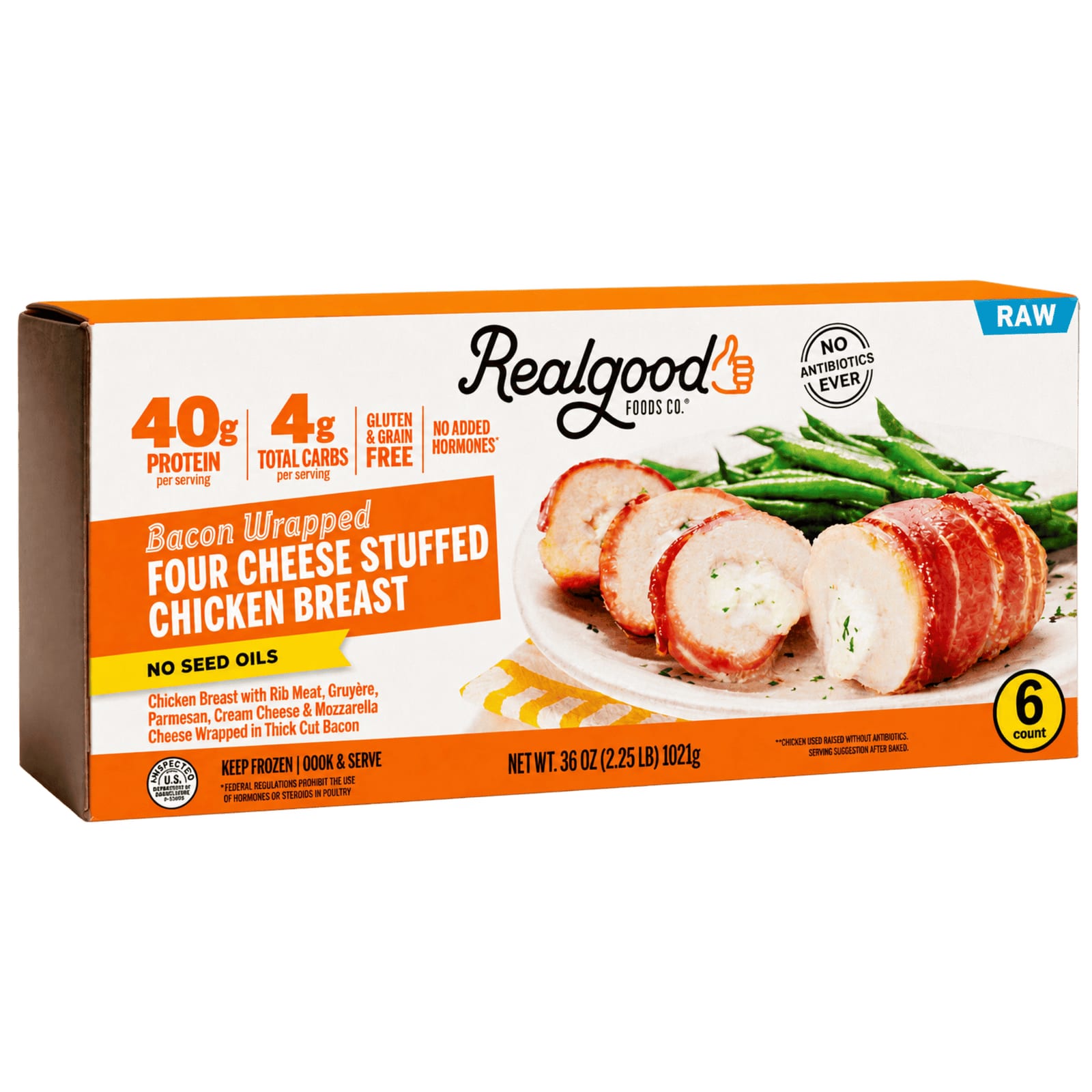
- Cumulative retail sales
- $1.2B+, per the company
- Store count
- 16,000+ stores nationwide
- Founded
- 2018, per the company
- Early distribution tactic
- Team self-installed 1,000+ freezers to seed retail, per the company
- 2025 innovation award
- NielsenIQ BASES Breakthrough Innovation Award winner, per the company
Real Good Foods has surpassed $1.2 billion in cumulative retail sales, marking a scale milestone for a brand that launched in 2018 with just two products sold through its own website.
The high-protein, low-carb frozen food company now sells across more than 16,000 stores nationwide. Per the company, its earliest retail push came without conventional broker or distributor support: the team personally installed more than 1,000 freezers and opened accounts at Vitamin Shoppe, GNC, and independent health stores before expanding into major chains. Its retail footprint now includes Walmart, Kroger, Sam's Club, H-E-B, Publix, and Costco, according to press releases on the brand's site.
The Bolingbrook, Illinois-based company competes in the better-for-you frozen aisle with a portfolio anchored in lightly breaded chicken products alongside entrees, handhelds, and a high-protein flour tortilla introduced in January 2026. NielsenIQ named its Lightly Breaded Chicken line a 2025 BASES Breakthrough Innovation Award winner, per the company.
Why it matters
Crossing $1.2 billion in retail sales is a rare achievement for a brand that built its distribution organically rather than through a major food conglomerate's existing network. Real Good Foods' trajectory illustrates how better-for-you positioning, combined with a willingness to construct physical retail infrastructure from scratch, can compound into genuine category scale. The frozen aisle has historically been dominated by legacy players, and an independently grown challenger reaching this level of accumulated retail sales signals that the better-for-you frozen segment has moved well beyond a niche. The brand's early decision to install its own freezer units, an unusual move in a category that typically relies on distributor infrastructure, gave it direct visibility into which locations converted and which did not, a data advantage that informed its subsequent chain-retail expansion.
What to watch
The more revealing question now is whether Real Good Foods can sustain velocity at 16,000-plus doors or whether expanded shelf presence will pressure per-door productivity. Shelf resets and retailer renegotiations at scale tend to test brands that grew quickly on novelty, and how the company performs in its next reported SPINS period will indicate whether its growth is broadening across the store base or beginning to plateau at existing accounts.
Featured on @cpglatest: see the post
Sources
Related coverage
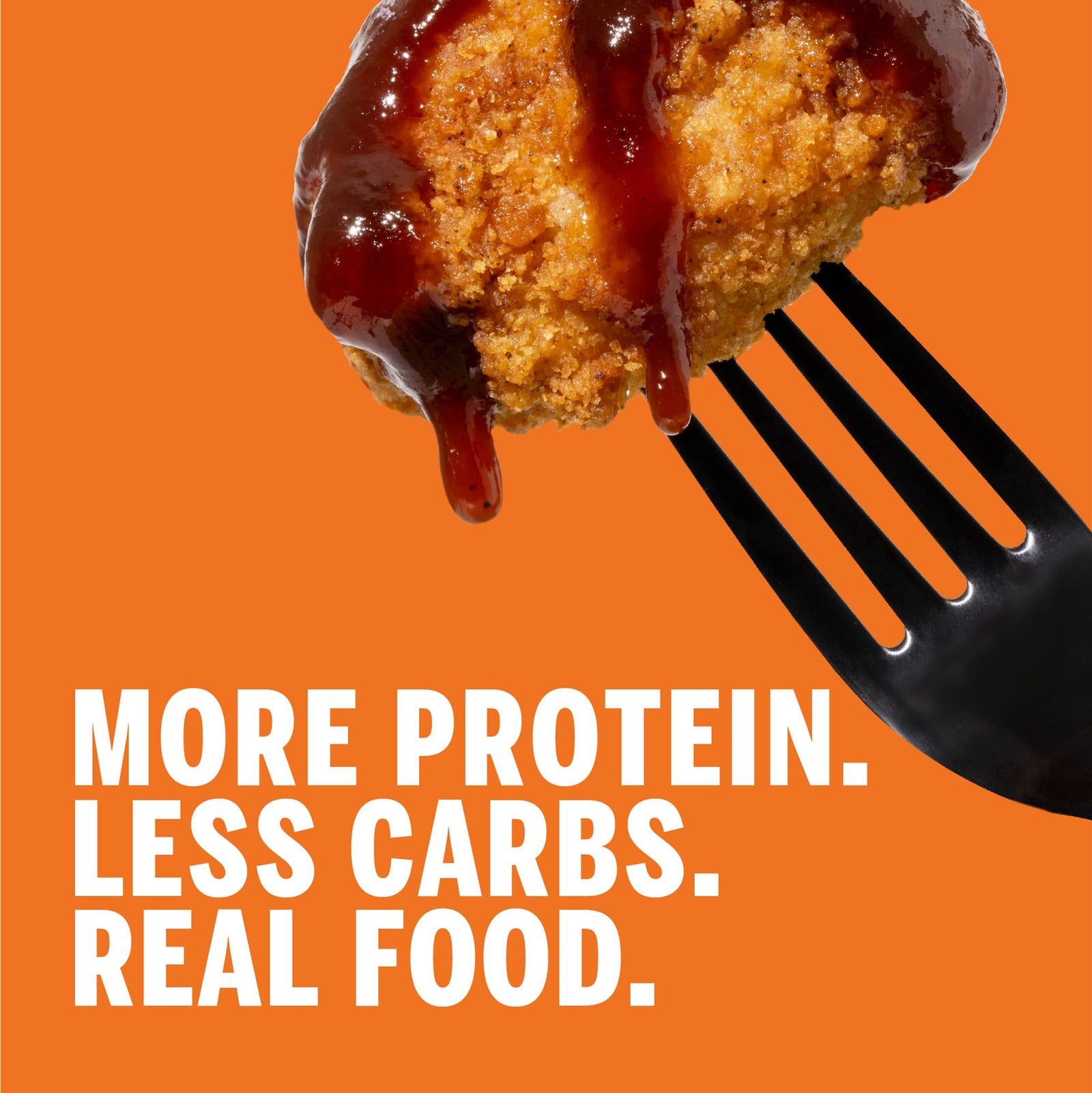
Real Good Foods Expands Chicken Meatball Line to Walmart Nationwide
The Bolingbrook-based frozen food brand is extending a chicken meatball line that debuted at H-E-B in September 2025 to Walmart's national store network, backed by a $15,000 consumer giveaway.
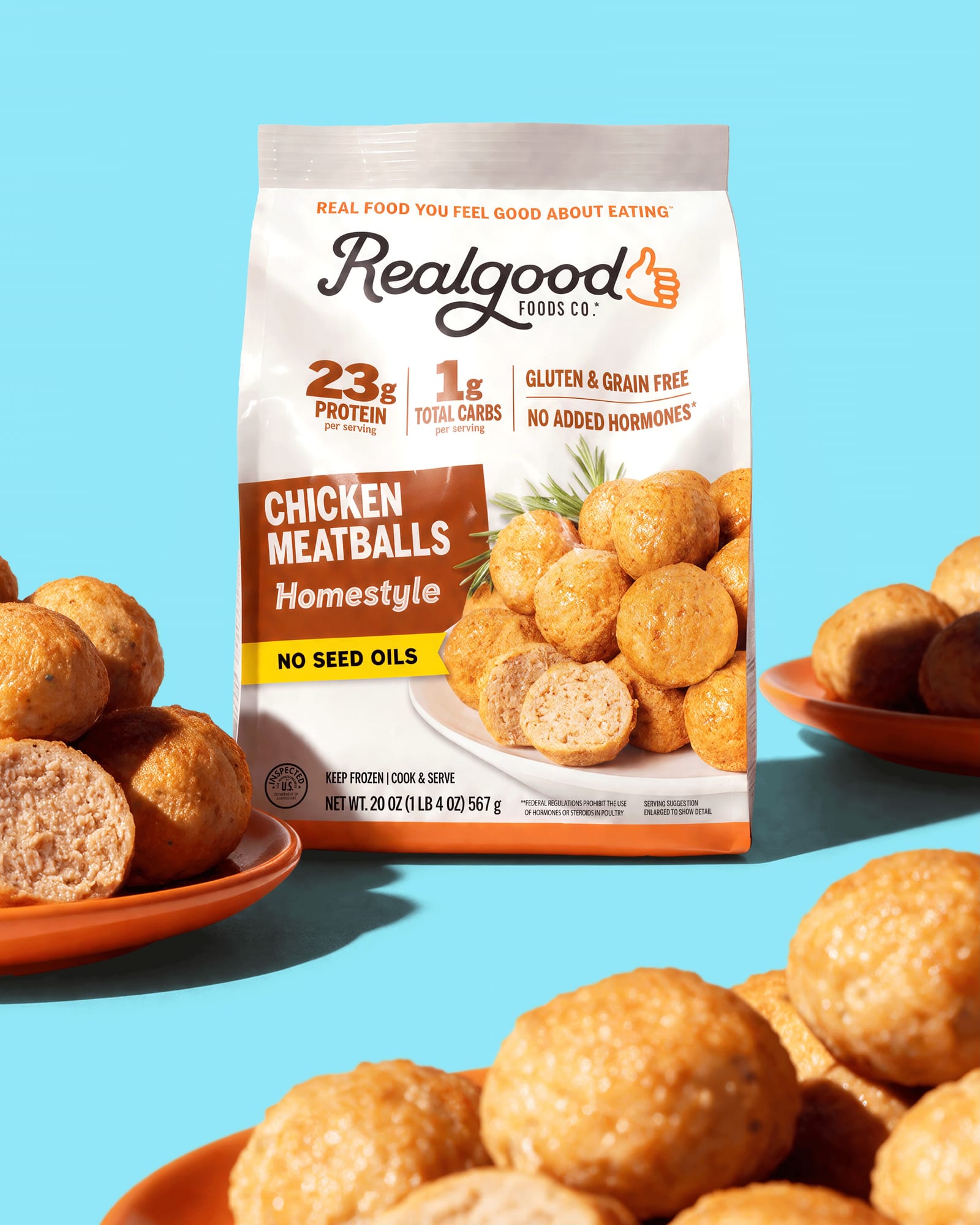
Real Good Foods Claims Top Spot in Frozen Chicken by Unit Velocity
The high-protein frozen food brand says it now leads the frozen chicken category by unit velocity, backed by retail distribution spanning Walmart, Kroger, Sam's Club, and other major chains.
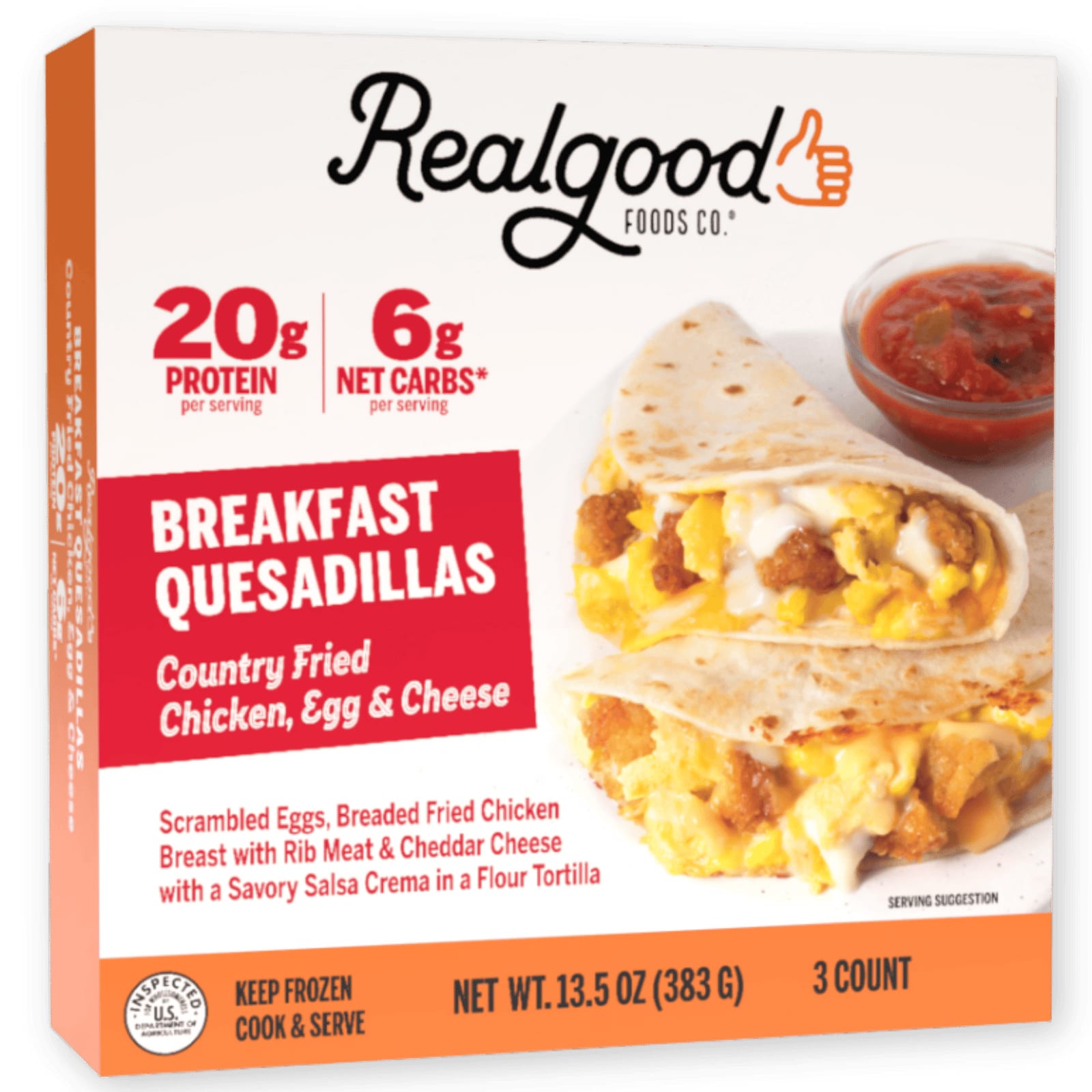
Real Good Foods Launches Pancake and Sausage Breakfast Stick at Sam's Club
The frozen better-for-you brand enters the morning daypart with a chicken sausage wrapped in pancake batter and maple syrup, now stocked at Sam's Club across its 16,000-plus-store retail footprint.