Warhound Raises $200 Million to Genetically Engineer Military Working Dogs
Warhound, backed by Sequoia, 8VC, Corner Ventures and In-Q-Tel at a $1.2 billion valuation, plans to clone and genetically edit Belgian Malinois and German Shepherd cell lines to supply the U.S. military and law enforcement.
- Round size
- $200 million raised at a $1.2 billion valuation
- Investors (partial list)
- Sequoia, 8VC, Corner Ventures and In-Q-Tel
- U.S. military dog sourcing
- Per the company, more than 80% of working dogs sourced from Europe
- Fit-for-service rate
- Per the company, less than half of sourced dogs are fit for service
- Cloning partner
- Viagen, a Colossal-owned subsidiary, will clone the engineered dogs
Originally reported by TechCrunch.
Warhound, a startup founded by Ben Lamm of Colossal Biosciences, with Anduril's Palmer Luckey as a partner, emerged from stealth after raising $200 million in funding at a $1.2 billion valuation, as first reported by TechCrunch. The round was backed by Sequoia, 8VC, Corner Ventures and In-Q-Tel, the venture firm backed by the CIA and other U.S. intelligence agencies.
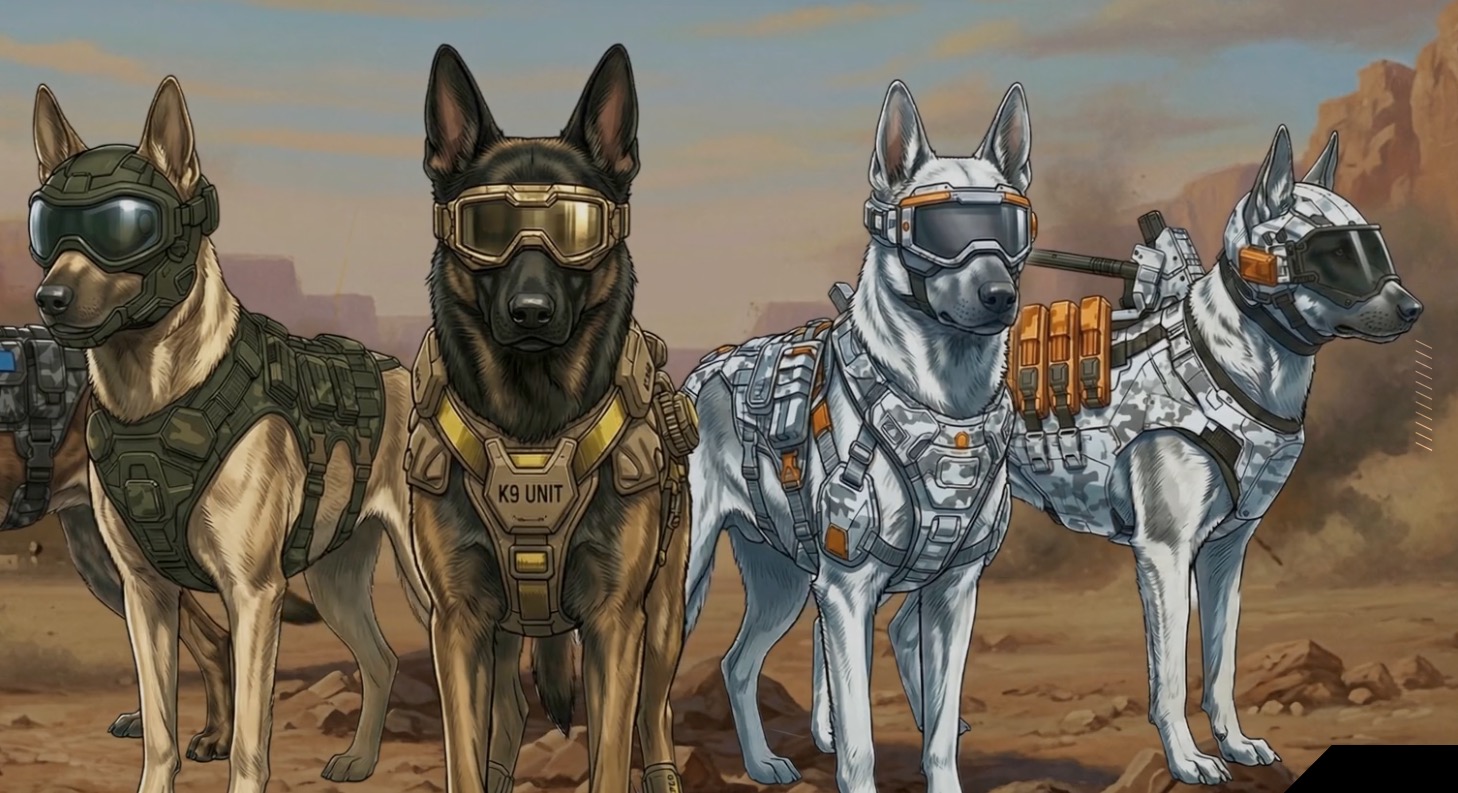
The company is building genetically engineered working dogs for the U.S. military, law enforcement and emergency response teams. Lamm told TechCrunch he met Luckey about a year ago at a conference, where Luckey said more should be done for the military's working dogs. The two kept in touch and Lamm began researching how working dogs are bred, eventually concluding that genetic engineering and cloning could produce a more capable animal. The company has taken cell lines from Belgian Malinois and German Shepherd dogs and placed them in a biobank; from there, engineers will edit the genes to create what the company calls "a new type of dog."
Warhound's dogs do not yet exist. Lamm told TechCrunch that the first batch is about to be cloned and incubated, with births expected early next year and service deployments targeted within two years. Colossal's subsidiary Viagen will handle the cloning work. Anduril will supply hardware and software including protective vests and goggles, equipment Lamm described to TechCrunch as sitting "on top of the dog, not in the dog." Luckey is a partner in the venture but owns no equity, per TechCrunch; Colossal holds equity and licenses its technology to Warhound.
Why it matters
The defense-tech and biotech overlap is still rare in commercial markets, but Warhound's formation illustrates how dual-use life sciences funding is moving. In-Q-Tel's participation signals federal interest before any government contract has been awarded. The company's stated rationale points to a supply-side problem: per the company, more than 80% of U.S. military working dogs are sourced from Europe, and less than half are fit for service. Whether or not Warhound's technology performs, that supply argument gives the company a straightforward procurement pitch to the Department of Defense, police forces and first responders, which Lamm identified to TechCrunch as target buyers. Pricing has not been determined.
The involvement of the American Humane Society, which told TechCrunch it looks forward to working with Warhound to help ensure animals in its care are treated humanely, gives the venture an early credibility signal on the animal welfare side. The Society is also expected to help certify Warhound's training program for the new dogs.
What to watch
The central open question is regulatory: Lamm told TechCrunch the company has briefed many government groups, but said each deployed dog will be trained and managed by whoever purchases it, leaving the approval pathway for commercially sold, genetically engineered dogs still undefined. How federal agencies treat the animals under existing military working dog regulations will largely determine whether Warhound can reach its two-year deployment target.
Featured on @cpglatest: see the post
Sources
Related coverage
Dan-O's Seasoning Secures $25 Million PE Investment from The Newcastle Network
The Louisville-based spice brand, now in more than 22,000 U.S. retail doors, will use the capital to develop new product formats and extend its retail and online reach, per The Newcastle Network's announcement.
Intake Breathing Raises $62 Million From Camino Partners to Enter Mass Retail
Camino Partners, founded by KIND Snacks' Daniel Lubetzky, backed the round as the magnetic nasal dilator brand prepares to move beyond its DTC and Amazon channels into mass retail, per Modern Retail.
Kalshi Closes $1 Billion Round at $40 Billion Valuation
CNBC reported that Kalshi's $1 billion raise co-led by Sequoia Capital and Wellington Management values the exchange nearly eight times higher than it was just one year ago.