Kalshi Closes $1 Billion Round at $40 Billion Valuation
CNBC reported that Kalshi's $1 billion raise co-led by Sequoia Capital and Wellington Management values the exchange nearly eight times higher than it was just one year ago.
- Round size
- $1 billion, per the company
- Current valuation
- $40 billion, per the company
- Previous valuation
- $22 billion in May 2026, per CNBC
- October 2025 valuation
- $5 billion, per CNBC
- Institutional entities (Sept.)
- 500 institutional entities, 25% of trading volume excl. market makers, reported
Originally reported by CNBC.
Kalshi has completed a $1 billion funding round valuing the prediction market exchange at $40 billion, the company announced Thursday, as first reported by CNBC. The round was co-led by Sequoia Capital and Wellington Management.
The valuation nearly doubles the $22 billion figure from Kalshi's previous round, completed in May 2026. CNBC noted that the company was valued at just $5 billion in October 2025, a rapid ascent driven by growth across its event contracts business, including trading tied to the 2026 FIFA World Cup, the NFL season and U.S. midterm elections.
In a blog post announcing the round, Kalshi described prediction markets as a starting point for a broader financial exchange, per the company. It plans to deploy the new capital toward leveraged event contracts, perpetual futures tied to individual stocks and markets for trading on the price of compute, as well as continued investment in its institutional business. Kalshi reported in September that it worked with 500 institutional entities, and that those entities, excluding market makers, accounted for 25% of the platform's total trading volume. In June, CEO Tarek Mansour told CNBC's "Squawk Box" that the company was considering a move to the public markets, though not before 2027.
Why it matters
Kalshi's trajectory illustrates how prediction markets have shifted from a niche regulatory experiment into a category attracting institutional capital at scale. The company's move into perpetual futures and commodity-adjacent instruments signals ambitions well beyond the event contracts label. The co-lead from Sequoia Capital and Wellington Management, a mix of venture and traditional asset management, reflects positioning at the intersection of fintech and financial exchange infrastructure, and suggests the institutional investment community views prediction markets as durable rather than cyclical.
The regulatory environment remains a material complication. Two U.S. appeals courts ruled in August and September 2026 that states hold the authority to regulate sports-related event contracts, a position Kalshi contests on the grounds that federal jurisdiction applies. A third appeals court ruled in favor of that federal argument, making a Supreme Court resolution likely. How that dispute resolves will directly shape the addressable market for Kalshi and competing platforms.
What to watch
The open question is whether Kalshi can sustain its private valuation multiples on a path to the public markets. Mansour indicated to CNBC in June that a listing would not come before 2027. The distance between a $40 billion private mark and an eventual public offering price will be closely watched by the institutional investors who have already taken positions across successive rounds.
Featured on @cpglatest: see the post
Sources
Related coverage
Polymarket Reportedly Raises $1 Billion at $21 Billion Valuation in 1789 Capital-Led Round
Polymarket is reportedly raising $1 billion at a $21 billion valuation, with 1789 Capital leading at roughly $300 million and NYSE parent ICE bringing its total commitment in the platform to $1.6 billion.
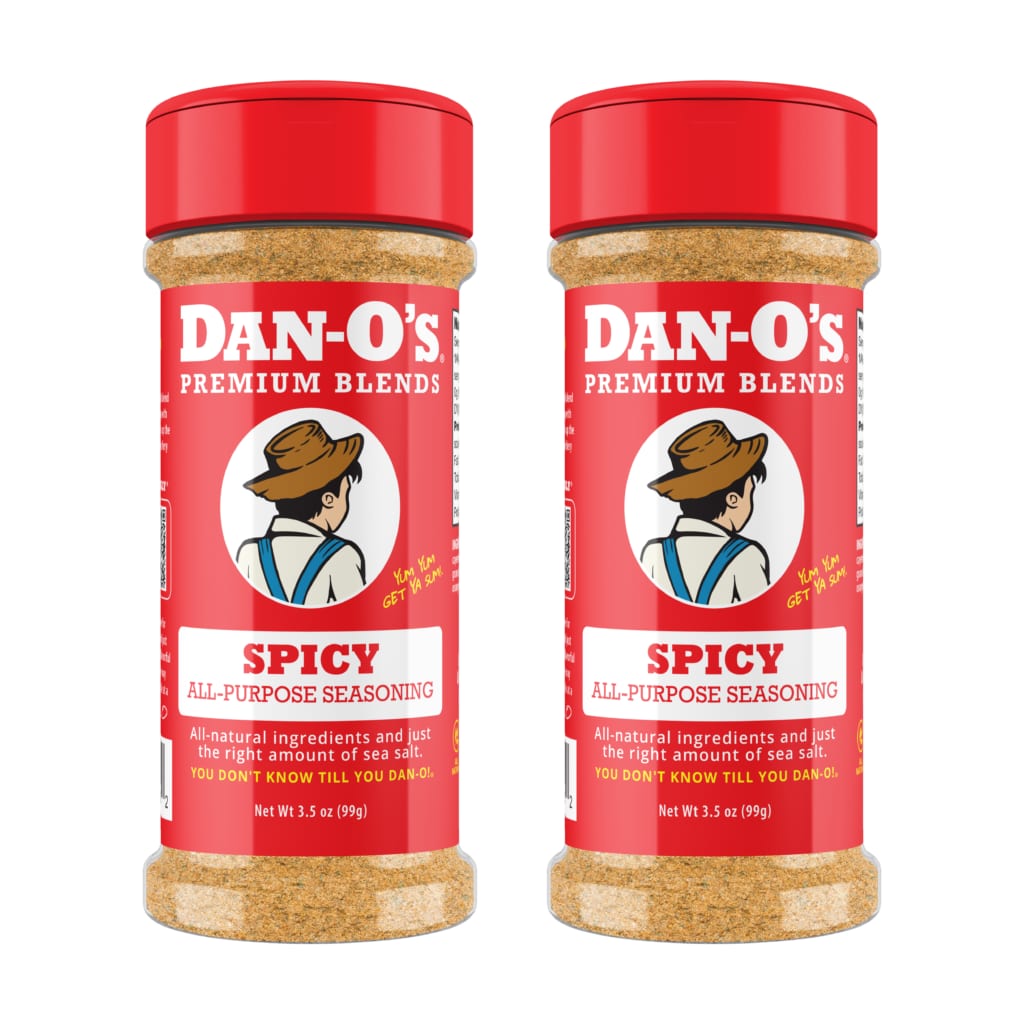
Dan-O's Seasoning Secures $25 Million PE Investment from The Newcastle Network
The Louisville-based spice brand, now in more than 22,000 U.S. retail doors, will use the capital to develop new product formats and extend its retail and online reach, per The Newcastle Network's announcement.

Intake Breathing Raises $62 Million From Camino Partners to Enter Mass Retail
Camino Partners, founded by KIND Snacks' Daniel Lubetzky, backed the round as the magnetic nasal dilator brand prepares to move beyond its DTC and Amazon channels into mass retail, per Modern Retail.