Push Matcha Builds Functional Matcha Brand on Brazilian DTC Model
The Brazilian brand sells powdered matcha in single-serve sachet format across three product tiers through a direct-to-consumer storefront, positioning the product against coffee and conventional energy drinks.
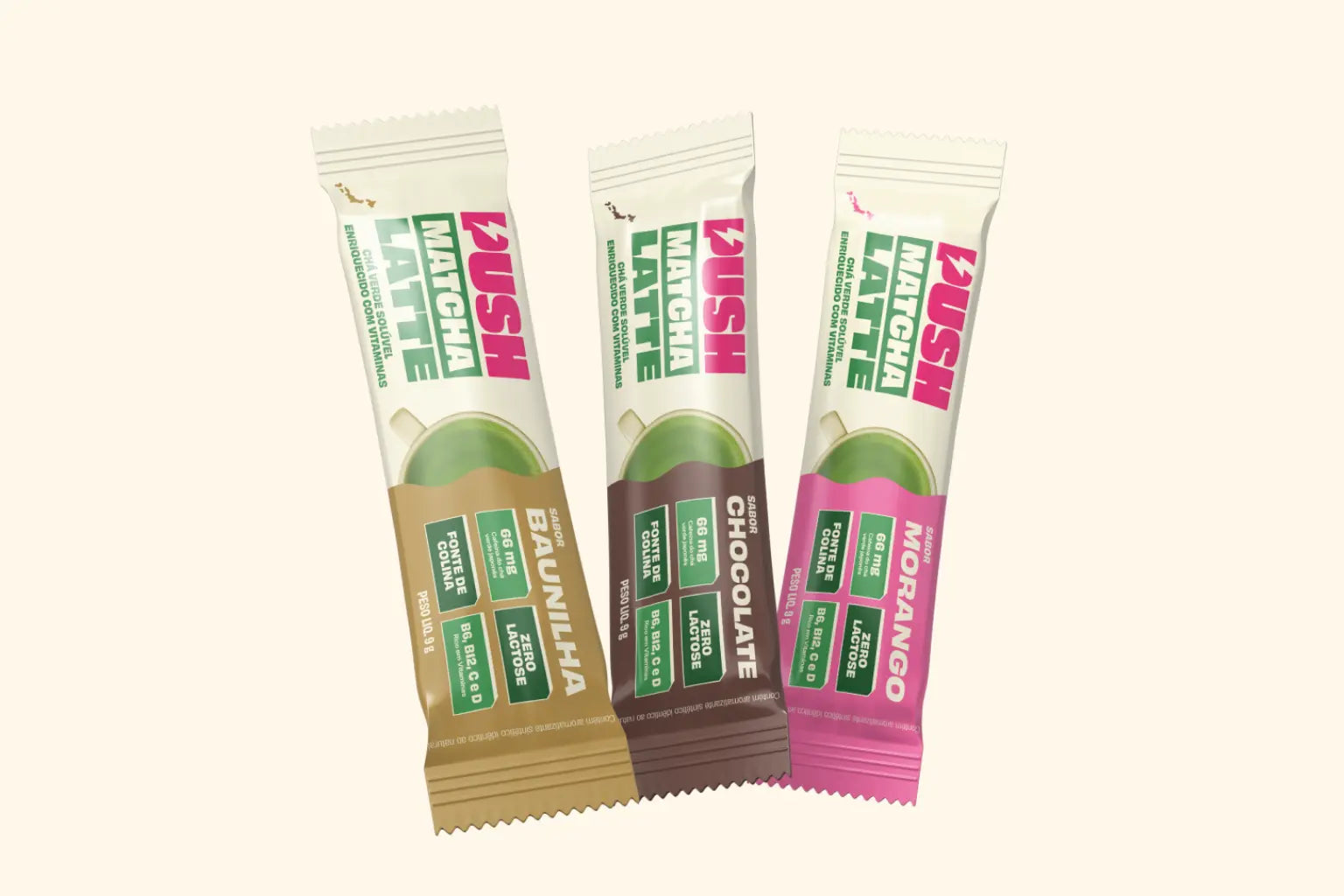
- Product lines
- Push Matcha Premium, Push Matcha Latte, Push Matcha Ceremonial
- Home market
- Brazil, per .com.br storefront and BRL pricing
- Sugar content
- Zero added sugar, per the company
Push Matcha is a Brazilian direct-to-consumer brand built around a functional matcha proposition in powdered single-serve sachet format. The company sells across three product tiers, Push Matcha Premium, Push Matcha Latte, and Push Matcha Ceremonial, all available through its website on both a one-time and subscription basis, per the company.
The brand's product range is designed around convenience and portability, with each SKU delivered in sachet format. The company says its formulas use Japanese matcha and contain zero added sugar. Push Matcha positions itself against coffee and conventional energy drinks on its own website, presenting a comparison of matcha's caffeine profile with those of coffee, energy drinks, and plain green tea.
The brand operates a subscription-first DTC model, offering recurring delivery options across all three tiers. This structure provides recurring revenue while building a direct relationship with buyers, a common starting point for brands looking to prove demand before approaching retail. Push Matcha currently sells exclusively through its Brazilian storefront.
Why it matters
Functional beverages are among the more competitive segments of the wellness market, as brands look to combine everyday drink occasions with supplement-style formulations. Matcha carries existing wellness associations among consumers, which lowers the category education burden compared with more novel ingredients and makes it a practical vehicle for functional positioning.
What to watch
Whether Push Matcha expands beyond its current DTC model into retail distribution will signal how quickly the brand intends to scale. Its existing subscription-first structure points to DTC as the near-term priority, but a retail partnership would accelerate volume growth and test the brand's readiness for broader market positioning.
Featured on @cpglatest: see the post
Sources
Related coverage
Kraft Heinz to Sell North American Coffee Business to One Rock Capital for $650 Million
One Rock Capital Partners will take a majority stake in seven brands including Maxwell House and Gevalia, while Kraft Heinz retains 30% and applies roughly $500 million in proceeds to debt reduction.
Authentic Brands Group Completes Acquisition of Lee in Deal Valued at Up to $1 Billion
WWD first reported the close of ABG's acquisition of Lee's intellectual property from Kontoor Brands, with regional licensing partners already secured for North America, Europe, China and Mexico.

Kalder Loyalty Platform Acquired by Luumis
Kalder positioned itself as a rewards infrastructure platform built for brands seeking to commercialize their loyalty programs.