Milo's Tea Co. crosses $1 billion in annual retail sales ahead of schedule
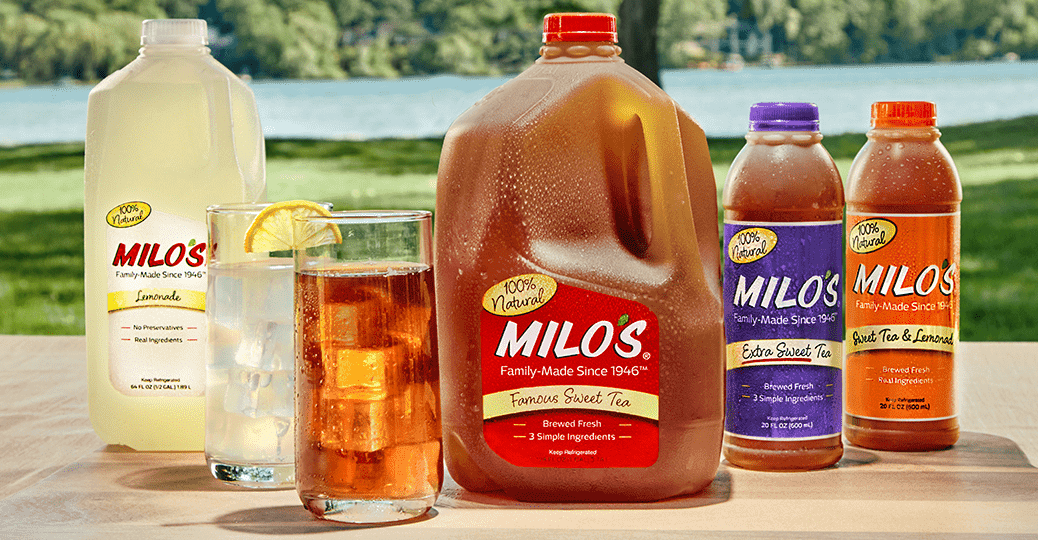
Milo's Tea Co. reached $1 billion in annual retail sales more than a year ahead of its 2027 target, doubling from $450 million in 2022 as the family-owned brand expanded to more than 65,000 retail doors.
- Annual retail sales
- $1B+, per the company
- 2022 retail sales
- $450M, reported
- Retail doors
- 65,000+, reported
- Distribution growth since 2022
- Up 50%, per the company
- Original milestone target
- 2027, beat by more than a year, reported
Milo's Tea Co. has crossed $1 billion in annual retail sales, reaching the milestone more than a year ahead of its original 2027 projection. The family-owned beverage maker, which produces iced teas, lemonades, and fruit punch, more than doubled its retail sales from $450 million in 2022, with distribution growing 50 percent over the same period.
The company now sells through more than 65,000 retail doors and is led by CEO Tricia Wallwork, the granddaughter of founders Milo and Bea Carlton. The brand says it has operated for more than 80 years, positioning its beverages as made without preservatives and with what it describes as a homemade taste. That heritage narrative has become a consistent thread in how Milo's differentiates itself in a ready-to-drink tea category crowded with both legacy conglomerates and well-funded startups.
Reaching nine figures in retail sales while remaining family-owned is a relatively uncommon outcome at this stage of a beverage brand's growth curve, where external capital or strategic acquisition frequently precede scale.
Why it matters
The $1 billion threshold carries genuine category weight, marking the point at which a brand transitions from regional staple to national-scale platform. Milo's trajectory is particularly notable because the company achieved it without, per available information, resorting to outside ownership. In a segment where private equity and strategic acquirers have absorbed many scaling brands before they reach this level, Milo's path signals that distribution-led, organically funded growth remains viable for beverage companies with strong velocity and loyal regional bases. The fact that the company beat its own timeline by more than a year also suggests that door count expansion is being supported by consistent sell-through, not just shelf placement.
What to watch
The central open question is whether Milo's can sustain per-door velocity as it approaches the upper limits of its current 65,000-door footprint. Continued double-digit growth at this scale will likely require either new product formats, entry into channels the brand has not yet prioritized, or some form of geographic expansion beyond its existing distribution network.
Featured on @cpglatest: see the post
Sources
Related coverage
Kraft Heinz to Sell North American Coffee Business to One Rock Capital for $650 Million
One Rock Capital Partners will take a majority stake in seven brands including Maxwell House and Gevalia, while Kraft Heinz retains 30% and applies roughly $500 million in proceeds to debt reduction.
Authentic Brands Group Completes Acquisition of Lee in Deal Valued at Up to $1 Billion
WWD first reported the close of ABG's acquisition of Lee's intellectual property from Kontoor Brands, with regional licensing partners already secured for North America, Europe, China and Mexico.

Kalder Loyalty Platform Acquired by Luumis
Kalder positioned itself as a rewards infrastructure platform built for brands seeking to commercialize their loyalty programs.