Matchaholic Moves Kosher Ceremonial Matcha Into Café and Retail Distribution
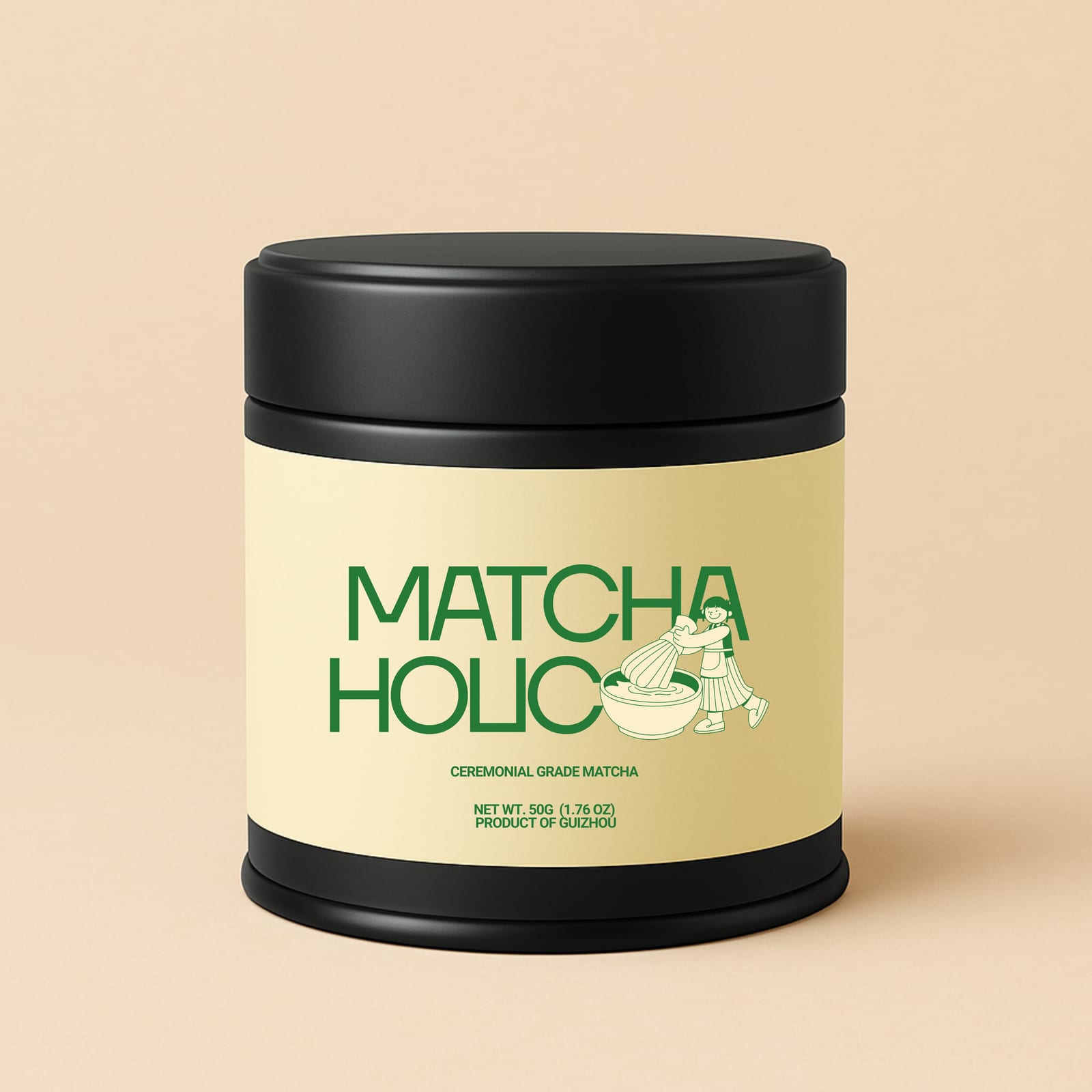
Matchaholic, co-founded by brothers aged 18 and 20, is moving its kosher-certified, Guizhou-sourced ceremonial matcha from DTC into cafés, wholesale accounts, and retail across Florida, New Jersey, New York, and Montreal.
- Retail price
- $35 per tin, per the company
- Samples tasted pre-launch
- More than 25 matcha varieties evaluated before selecting the product (reported)
- Current stockist markets
- Florida, New Jersey, New York, and Montreal
- Subscription discount
- 10% savings on recurring orders, per the company
- Matcha origin
- First-harvest ceremonial grade sourced from Guizhou, China
Matchaholic, a kosher-certified ceremonial matcha brand co-founded by two brothers aged 18 and 20, is expanding from direct-to-consumer sales into cafés, matcha shops, and wholesale retail. The brand currently lists stockists across Florida, New Jersey, New York, and Montreal, with the co-founders stating a goal of reaching more cities and more everyday matcha outlets.
The company traces its origins to a birthday gift. The co-founders first made a tin of matcha for their sister Sarah, and after friends began requesting more, they sampled more than 25 varieties before settling on a first-harvest ceremonial grade sourced from Guizhou, China. The product retails at $35 per tin through the brand's own website, where a subscription option offers a 10 percent discount on recurring orders. Matchaholic also sells co-branded apparel under the "Matcha Club" label and operates a companion product line, Casa Kosher, which curates kosher-certified goods.
Kosher certification sets Matchaholic apart from most matcha competitors, which rarely pursue religious certification. The Guizhou provenance is similarly unconventional, as premium matcha has historically been associated almost exclusively with Japanese growing regions.
Why it matters
The matcha category has attracted growing consumer interest along with both large beverage companies and a wave of small DTC entrants, making differentiation increasingly difficult for new brands. What makes Matchaholic's positioning notable is the pairing of two distinct characteristics: Chinese-origin sourcing, which challenges the Japan-as-default narrative in premium matcha, and kosher certification, which opens a specific and underserved retail channel. The brand's current stockists, including multiple Jus by Julie locations across New Jersey and New York and several Florida cafés, skew toward communities where kosher certification carries meaningful purchasing weight. That concentration gives Matchaholic a more defensible niche than a straightforward DTC matcha play competing on price or aesthetics alone.
What to watch
The key open question is whether Matchaholic can carry its early traction in kosher-aligned retail into conventional café and specialty grocery accounts, where certification offers less of a competitive edge and the brand will face a denser field of established matcha labels.
Featured on @cpglatest: see the post
Sources
Related coverage
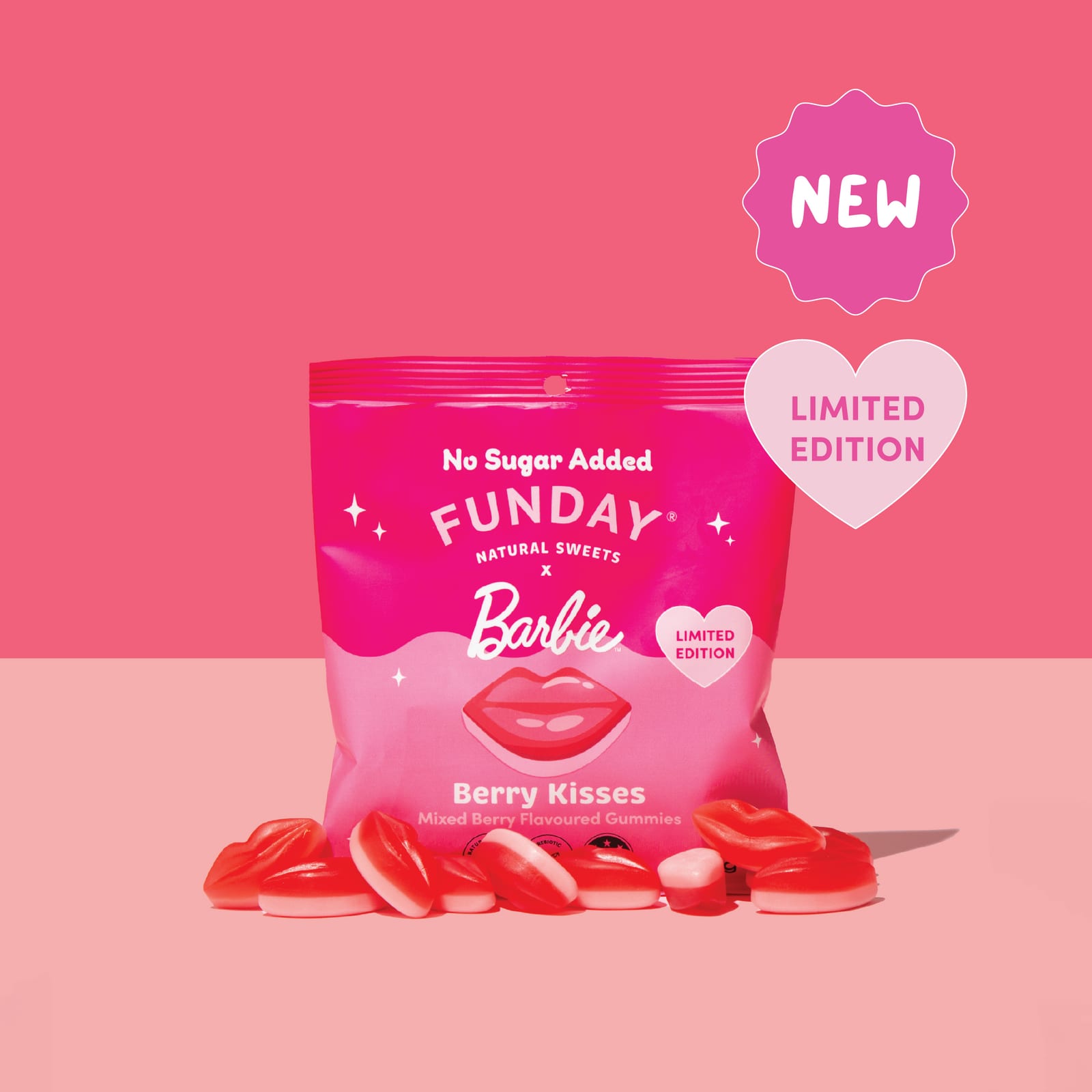
FUNDAY Natural Sweets Enters U.S. Market With Target Rollout
The Australian better-for-you gummy brand entered almost 1,200 U.S. Target locations on September 13, 2026, with five flavors, as first reported by Snack & Bakery.
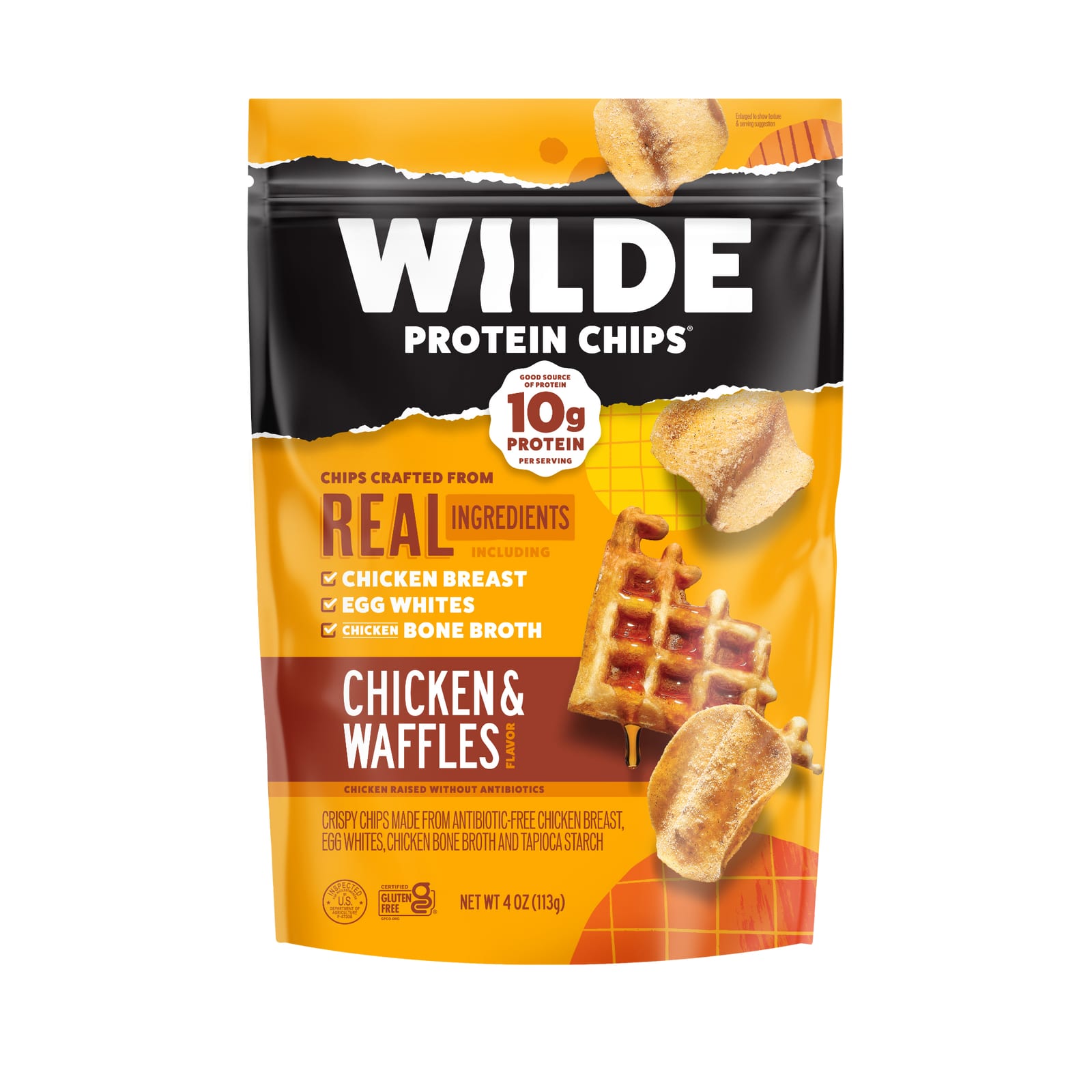
WILDE Protein Crackers Expand Into Walmart With Chicken-Based Formula
WILDE, the chicken breast chip brand, is extending into the cracker aisle with four flavors now rolling out at Walmart in-store and online.
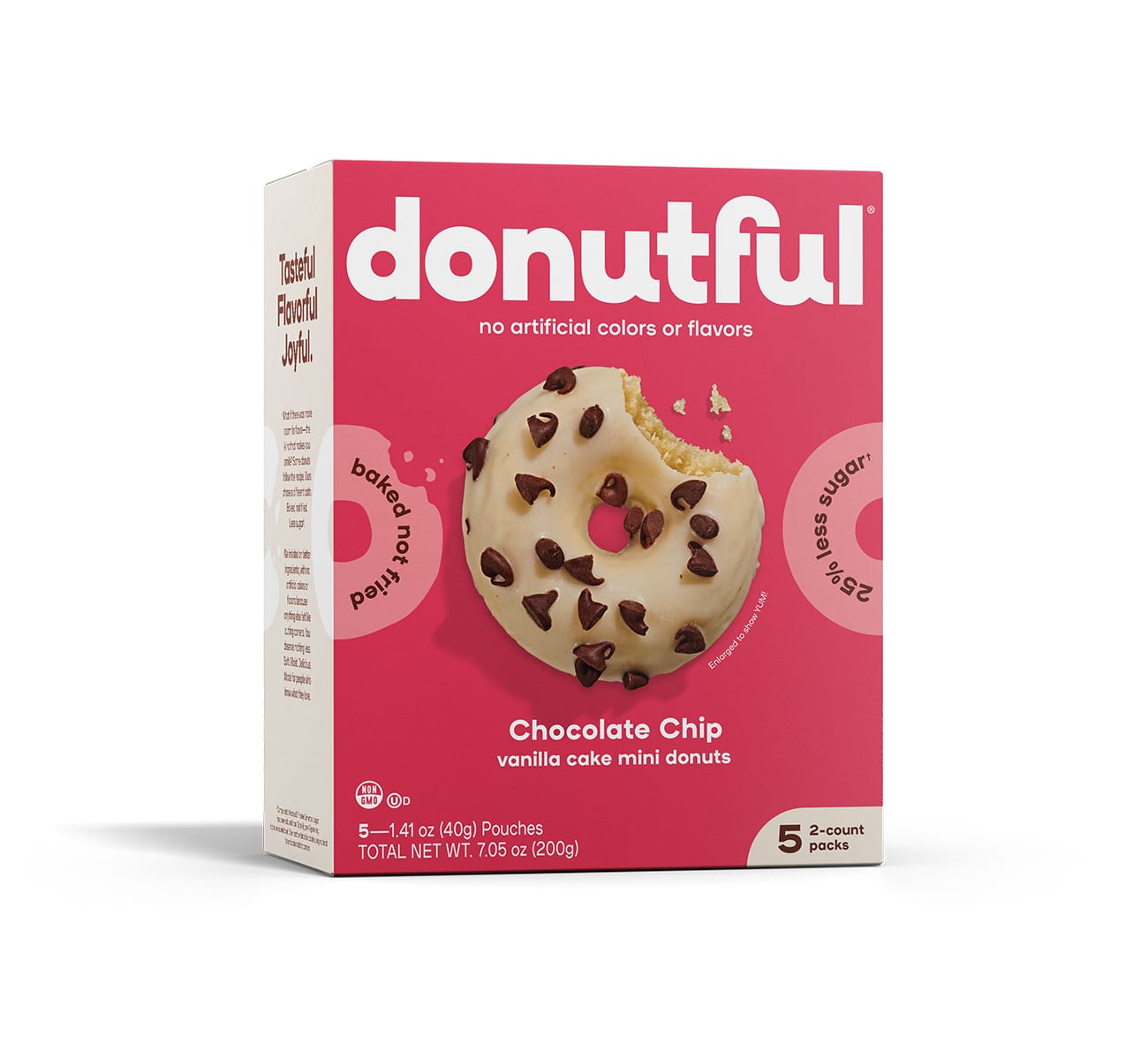
Bakeful Expands Mini Donuts, Muffins and Brownie Line Across Target, Walmart and Regional Grocers
The better-for-you baked snack brand is placing its Donutful, Muffinful and Brownieful product lines at national mass and regional grocery retailers, with Brownieful exclusive to Target, per the company.