Angel Oak Smokehouse Pushes Retail Expansion for Its Hot Smoked Salmon Line
The Charleston-based smoked salmon brand, whose founder left a Boeing engineering career to continue her family's English salmon-smoking heritage, is building a specialty retail distribution network anchored by Whole Foods Market.
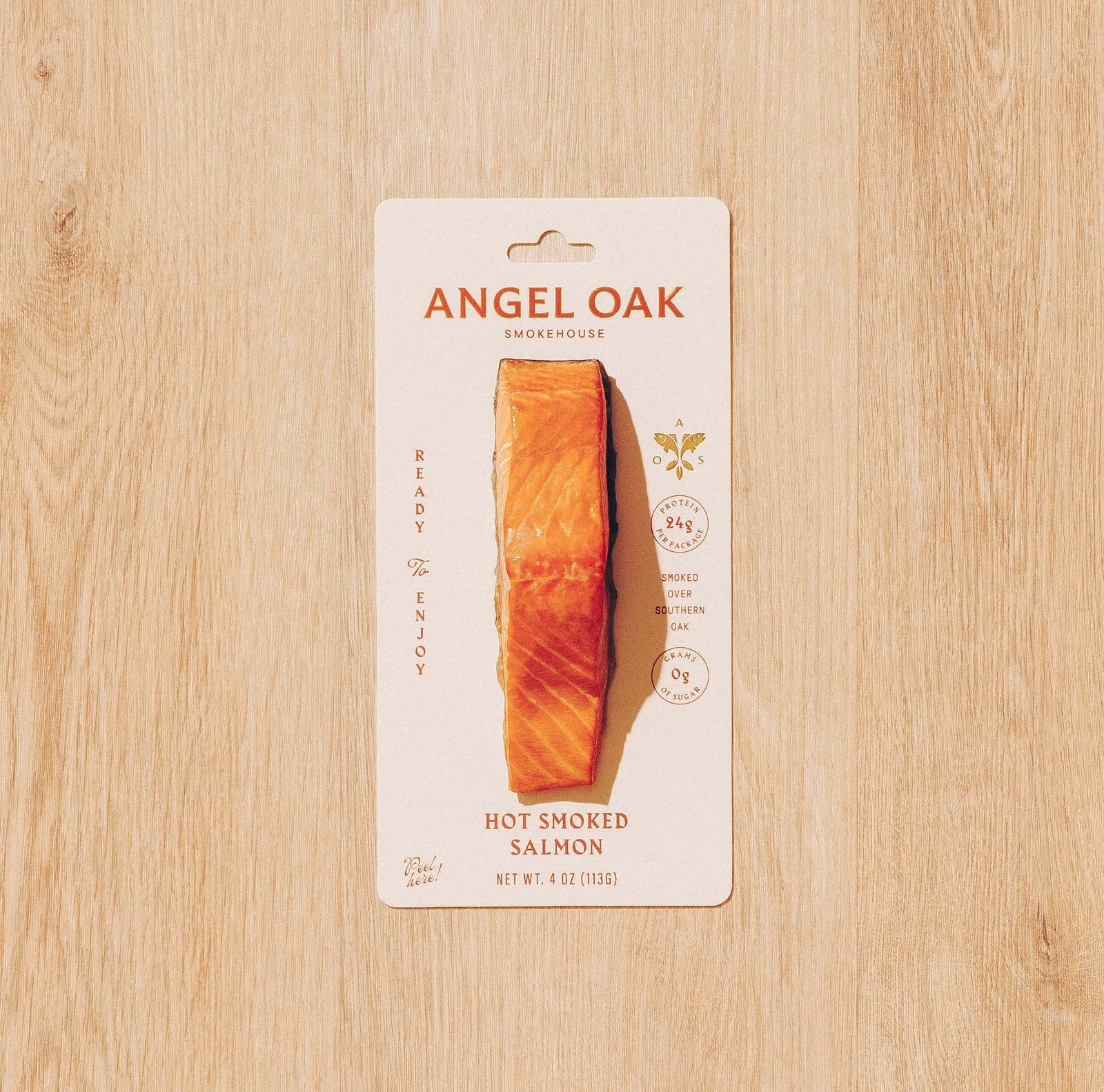
- Smokehouse location
- Charleston, South Carolina, per the company
- Current retail partners
- Whole Foods Market in Atlanta, Charlotte, and Charleston, per the company
- Hot Smoked Salmon price
- $85 for 2 lb 4 oz, per the company
- Cold Smoked Salmon price
- $95 for 2 lb 4 oz, per the company
Angel Oak Smokehouse, a family-owned smoked salmon brand based in Charleston, South Carolina, is pushing retail distribution for its Hot Smoked Salmon line. The brand's confirmed retail footprint includes Whole Foods Market locations in Atlanta, Charlotte, and Charleston, per the company.
The brand traces its origins to Maryport, England, where the founder's father opened his first salmon smokehouse at the age of 16, per the company. Jade, the founder, left a career as a Boeing engineer to carry on the family tradition in the United States, an origin story that industry outlet Undercurrent News covered in a piece the brand itself cites on its press page. Angel Oak operates its smokehouse in Charleston, where the company says salmon is smoked over oak using traditional methods. Its current range includes a Hot Smoked Salmon at $85 and a Cold Smoked Salmon at $95, both in 2 lb 4 oz formats, per the company's website. The brand's direct-to-consumer channel currently lists both products as coming soon, indicating that retail distribution is the primary commercial channel at this stage of its growth.
The company positions itself around responsible sourcing and craft production, per its website, framing the brand as a bridge between a multigenerational European smoking tradition and a new generation of American specialty food shoppers.
Why it matters
Artisan and heritage-positioned seafood brands have historically struggled to scale beyond regional specialty retail. Angel Oak's growth tests whether the provenance and craft narrative that has worked well in adjacent categories such as specialty cheese and charcuterie can hold at a premium price point in the smoked fish aisle. Whole Foods' shopper base skews toward food-curious, premium-oriented consumers, making it a logical proving ground before any push into broader conventional grocery. A founder story rooted in family history and a career pivot is also the kind of narrative that specialty grocery buyers increasingly treat as a differentiator on shelf.
What to watch
Whether Angel Oak can sustain consistent supply out of its single Charleston facility as it looks to extend its retail footprint beyond its current Whole Foods locations will be a key operational question for the brand.
Featured on @cpglatest: see the post
Sources
Related coverage

FUNDAY Natural Sweets Enters U.S. Market With Target Rollout
The Australian better-for-you gummy brand entered almost 1,200 U.S. Target locations on September 13, 2026, with five flavors, as first reported by Snack & Bakery.
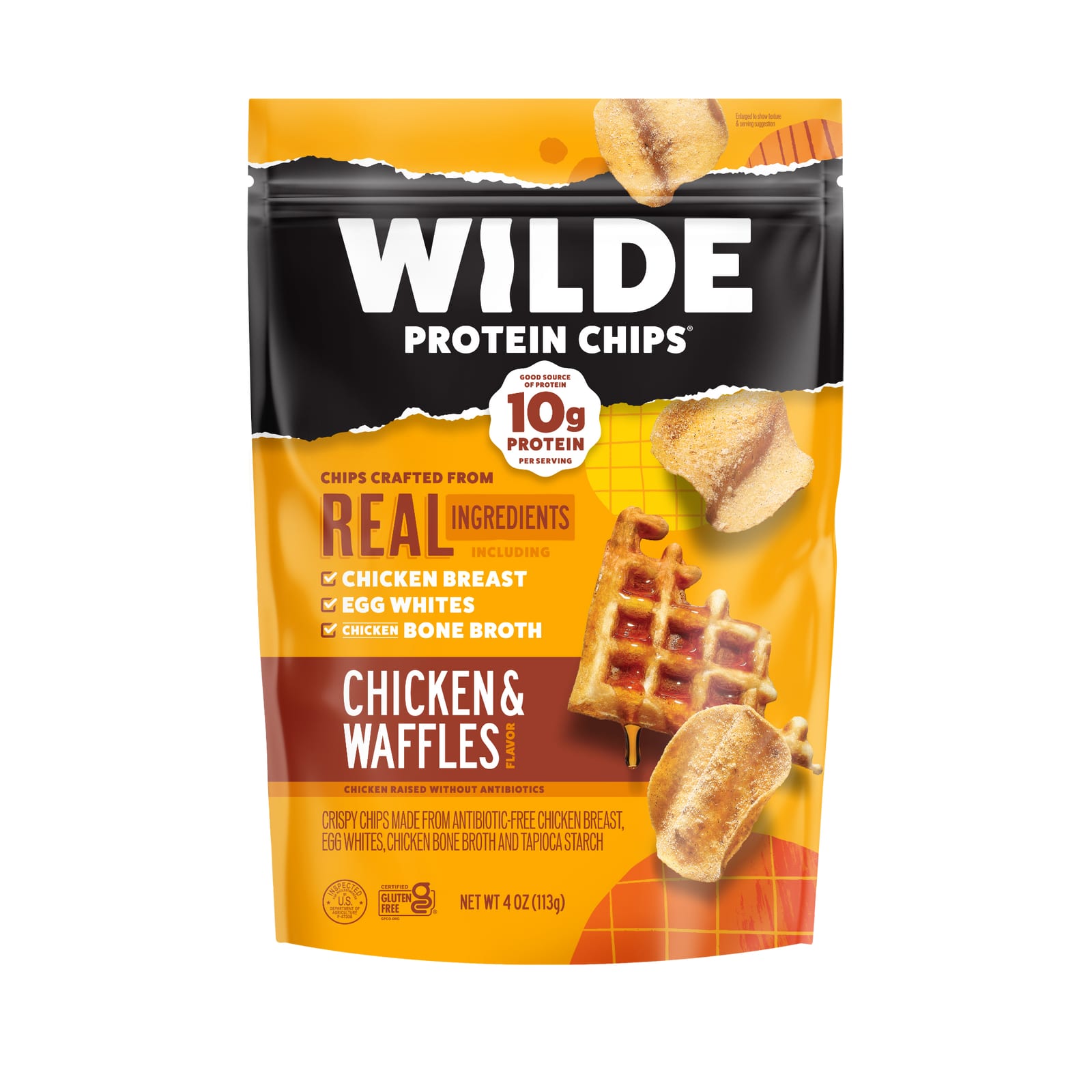
WILDE Protein Crackers Expand Into Walmart With Chicken-Based Formula
WILDE, the chicken breast chip brand, is extending into the cracker aisle with four flavors now rolling out at Walmart in-store and online.
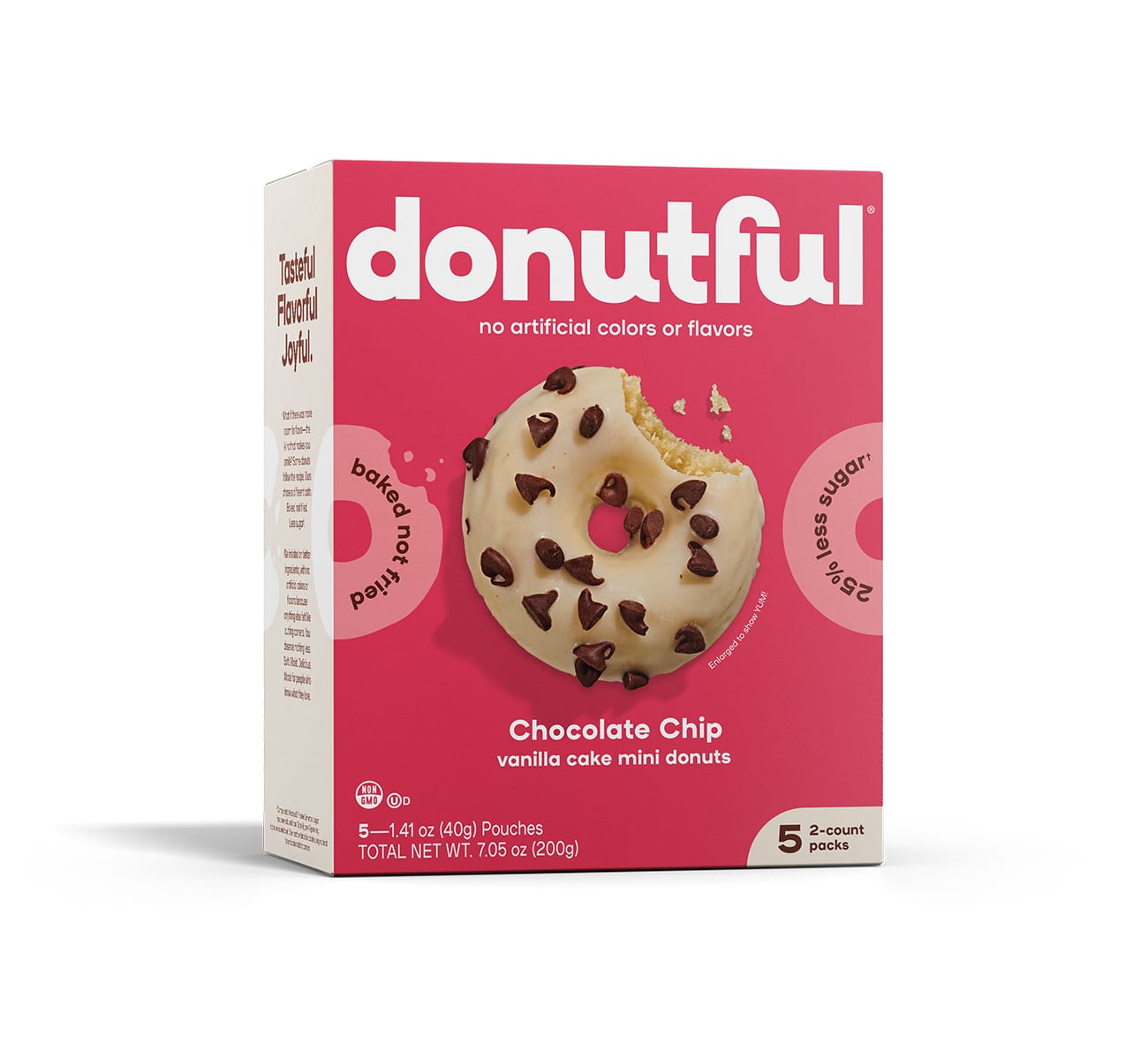
Bakeful Expands Mini Donuts, Muffins and Brownie Line Across Target, Walmart and Regional Grocers
The better-for-you baked snack brand is placing its Donutful, Muffinful and Brownieful product lines at national mass and regional grocery retailers, with Brownieful exclusive to Target, per the company.