Stella Blue Coffee Ties RTD Cans to 1,000-Adoption Rescue Campaign
The Barstool Sports personality's coffee brand is directing 100% of gross profits from its ready-to-drink cans toward covering pet adoption fees for 1,000 animals in its 2026 "We Brew to Rescue" campaign.
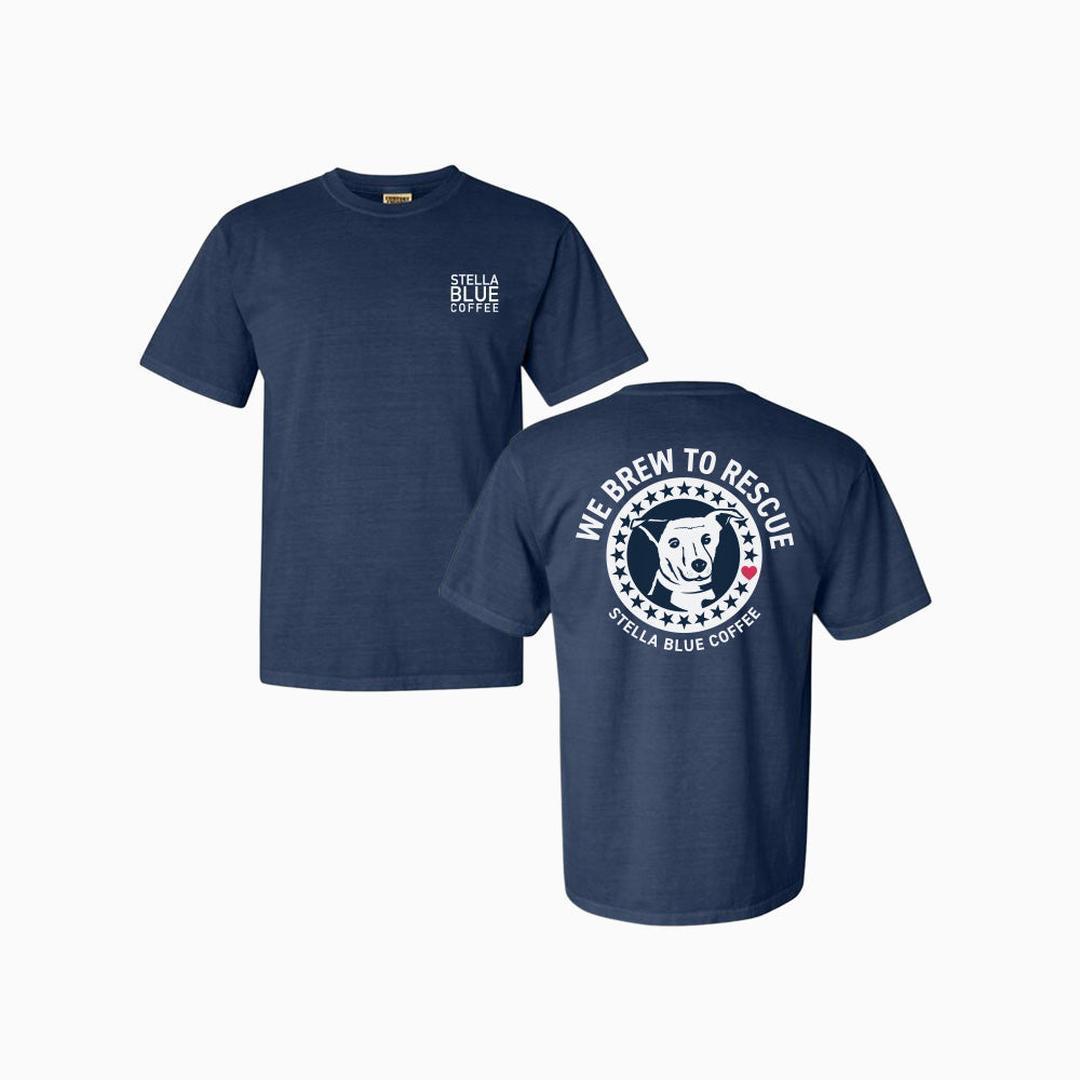
- Campaign name
- "We Brew to Rescue," a 2026 nationwide RTD-linked initiative, per the company
- Profit pledge
- 100% of gross profits from RTD cans go toward adoption fees, per the company
- Campaign progress
- 167 of 1,000 target adoptions funded, per brand tracker
- Rescue partners
- PAWS Chicago and Mutt Fund, per the company
- Overall impact
- More than 1,000 animals helped across brand history, per the company
Stella Blue Coffee, the brand created by Dan Katz, known to Barstool Sports audiences as Big Cat, has tied 100% of gross profits from its ready-to-drink canned latte line to a 2026 animal rescue campaign. The initiative, called "We Brew to Rescue," directs those proceeds toward covering pet adoption fees until the brand has funded 1,000 adoptions through the campaign, per the company. A live tracker on the brand's website currently shows 167 of that 1,000-adoption goal completed.
The company says that across its full history it has already helped more than 1,000 animals find homes, and the 2026 campaign sets a matching new target funded specifically through RTD can sales. Partner organizations include PAWS Chicago, the shelter where Katz adopted Stella, the rescue dog who inspired the brand's name, and Mutt Fund. Per the company, the campaign extends support to shelters and rescue organizations across the country.
Katz, writing on the brand's own pages, describes Stella Blue as built around 100% Arabica, Rainforest Alliance Certified beans sourced from Colombia, Honduras, and Guatemala. The product range spans pods, ground coffee, whole bean, cold brew, and the RTD cans now serving as the campaign's primary vehicle.
Why it matters
Much cause-linked marketing in the coffee category leans on supply-chain narratives, making Stella Blue's approach structurally distinct by comparison. Assigning 100% of gross profits from one specific SKU format to a countable, publicly tracked outcome creates accountability that vague purpose statements do not carry. A live adoption counter raises the stakes further: the number moves, or it does not, and shoppers can see the difference.
For a creator-founded coffee label competing against well-capitalized RTD entrants, the cause component also functions as a retail differentiator. A verifiable mission tied directly to purchase gives independent brands a dimension that scale and marketing spend alone cannot replicate, and a media personality's existing audience provides a base of consumers already primed to care about the story behind the can.
What to watch
The 100% gross-profit pledge is an unusually strong commitment for a growing brand. As RTD distribution expands, margin pressure from retailer requirements, slotting fees, and promotional spend typically intensifies. Whether that pledge structure holds through the brand's retail growth, or is revised before the 1,000-adoption target is reached, will reveal how foundational the rescue mission is to the business model versus the campaign moment.
Featured on @cpglatest: see the post
Sources
Related coverage
Premium wellness brands have increasingly looked to energy as a natural adjacency, recognising that the
The Hamilton partnership also reflects a wider pattern in CPG where high-profile athletes move from straightforward endorsement into longer-term brand association, lending authenticity that pure sponsorship rarely delivers.
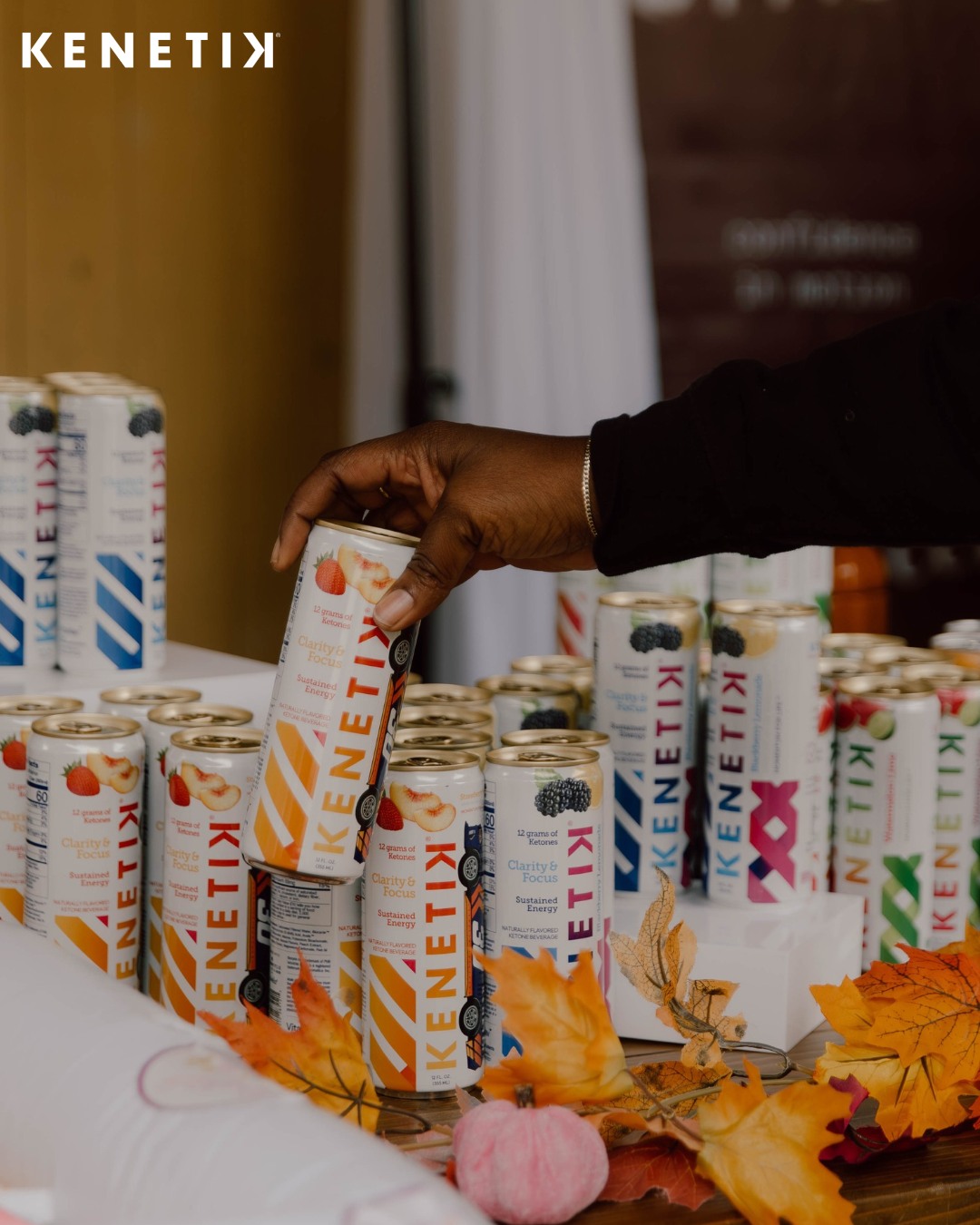
Kenetik Positions Blueberry Acai and a Biohacker Investor Roster as Its Caffeine-Free Alternative Play
Kenetik, the caffeine-free ketone beverage brand started by brothers Devon and Peter, carries a Blueberry Acai variety and counts Bulletproof founder Dave Asprey among its investor-partners, per the company.
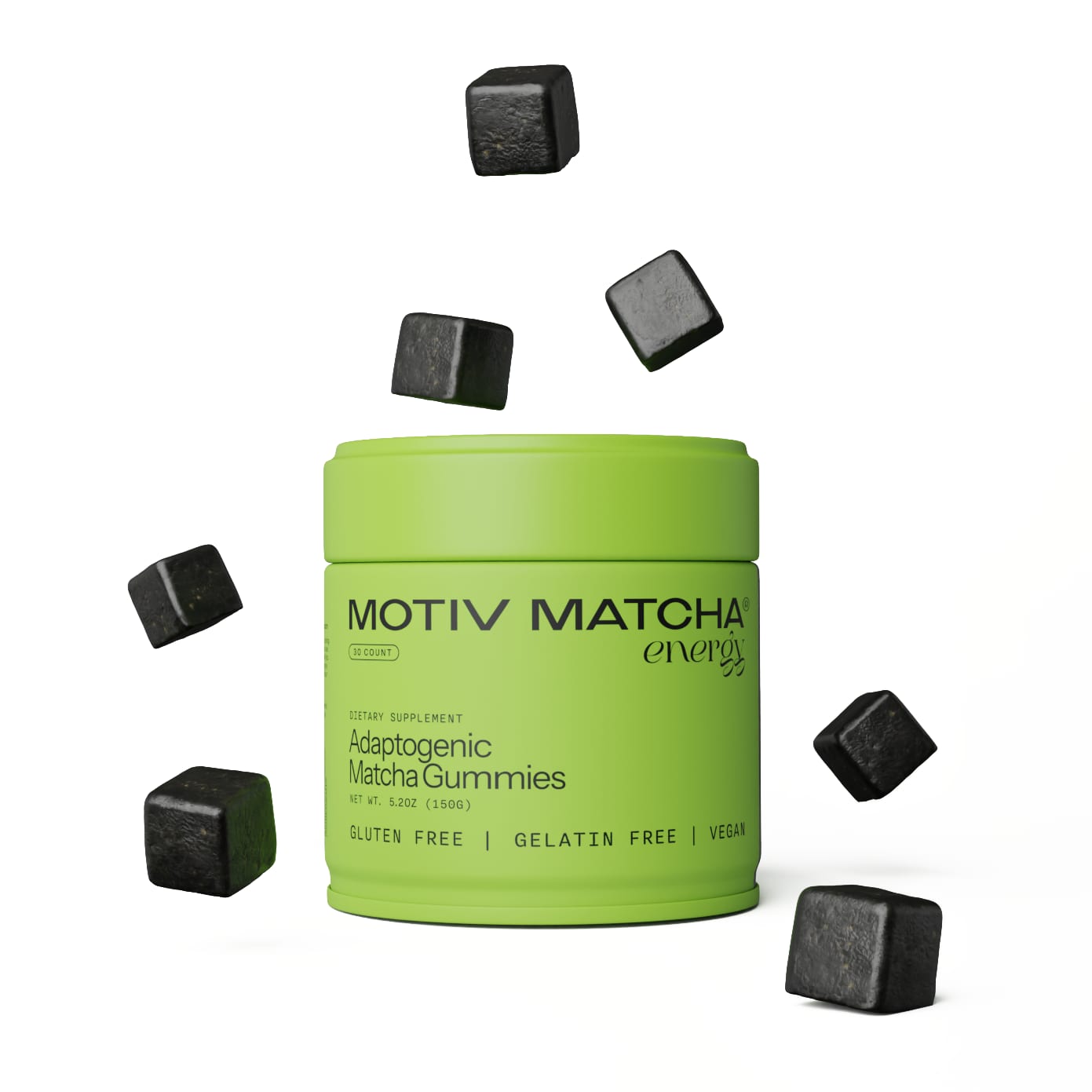
Motiv Matcha Pursues Energy Category With Low-Caffeine Functional Gummies
Motiv Matcha sells matcha and adaptogen gummies via DTC subscription, positioning the 10-milligram-caffeine format as a lower-stimulant alternative to conventional energy drinks.