Motiv Matcha Pursues Energy Category With Low-Caffeine Functional Gummies
Motiv Matcha sells matcha and adaptogen gummies via DTC subscription, positioning the 10-milligram-caffeine format as a lower-stimulant alternative to conventional energy drinks.
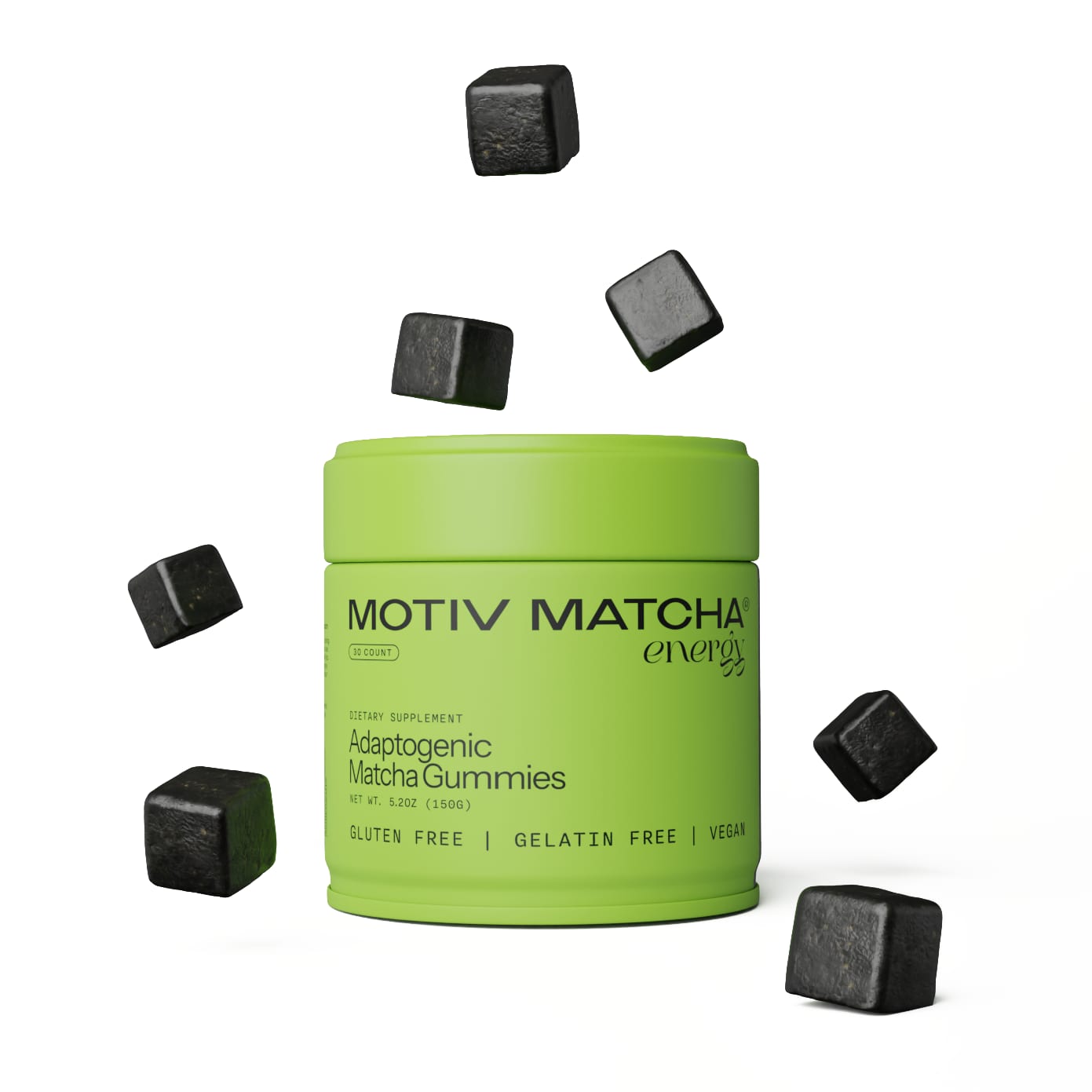
- Product format
- Matcha and adaptogen gummies, sold DTC via subscription, per the company
- Caffeine per serving
- 10 milligrams, per the company
- Subscription savings
- Up to 30% on a 90-day supply, per the company
- Customer rating
- 4.9 stars based on 120 reviews, reported by the company
Motiv Matcha has built a direct-to-consumer supplement business around matcha-based energy gummies, positioning the format as a low-caffeine option for consumers seeking an alternative to conventional energy drinks. The brand sells through its own website on a subscription model, with tiered savings of up to 30 percent for longer supply commitments, per the company.
The product's formulation centers on five ingredients: organic ceremonial grade matcha, cordyceps fruiting body extract, reishi mushroom extract, rhodiola root, and red panax ginseng root, all per the company. The brand distinguishes its sourcing by using ceremonial grade matcha rather than the culinary grade more common in supplement products, and fruiting body mushroom extracts rather than mycelium-based alternatives, per the company. Each serving contains 10 milligrams of caffeine, per the company, a figure that anchors the brand's positioning against higher-stimulant energy drink formats. The company reports a 4.9-star rating based on 120 customer reviews.
By converting matcha from a prepared beverage into a portable gummy, Motiv Matcha is pursuing a convenience-first proposition that sidesteps the preparation time associated with a traditional matcha ritual and the synthetic stimulant profiles that have drawn consumer scrutiny in the broader energy drink market.
Why it matters
The functional energy gummy segment sits at the intersection of two durable CPG trends: the supplement industry's migration toward food-adjacent delivery formats, and rising consumer demand for lower-stimulant alternatives in the energy category. Matcha has carried genuine cultural momentum as a beverage, and translating that equity into an on-the-go format is a logical path for brands looking to capture consumers who have already integrated matcha into their routines but resist the inconvenience of preparation. For the adaptogens market more broadly, gummies continue to lower the consumption barrier for ingredients that have historically required steeping, blending, or large capsule formats. A subscription DTC model is consistent with how category peers manage acquisition costs and customer lifetime value at early scale, and the tiered pricing structure suggests a deliberate effort to extend purchase cycles.
What to watch
The defining open question is whether Motiv Matcha's DTC subscription base can demonstrate the velocity and retention needed to support a move into physical retail. Subscription-based supplement brands frequently encounter elevated churn at the direct stage, and retail entry requires capital investment and operational infrastructure that tests operators at early scale. How the brand manages that progression, and whether its ceremonial-grade ingredient positioning commands a durable price premium in a category that is attracting increasing competition, will determine whether this convenience bet compounds into lasting distribution scale.
Featured on @cpglatest: see the post
Sources
Related coverage
Premium wellness brands have increasingly looked to energy as a natural adjacency, recognising that the
The Hamilton partnership also reflects a wider pattern in CPG where high-profile athletes move from straightforward endorsement into longer-term brand association, lending authenticity that pure sponsorship rarely delivers.
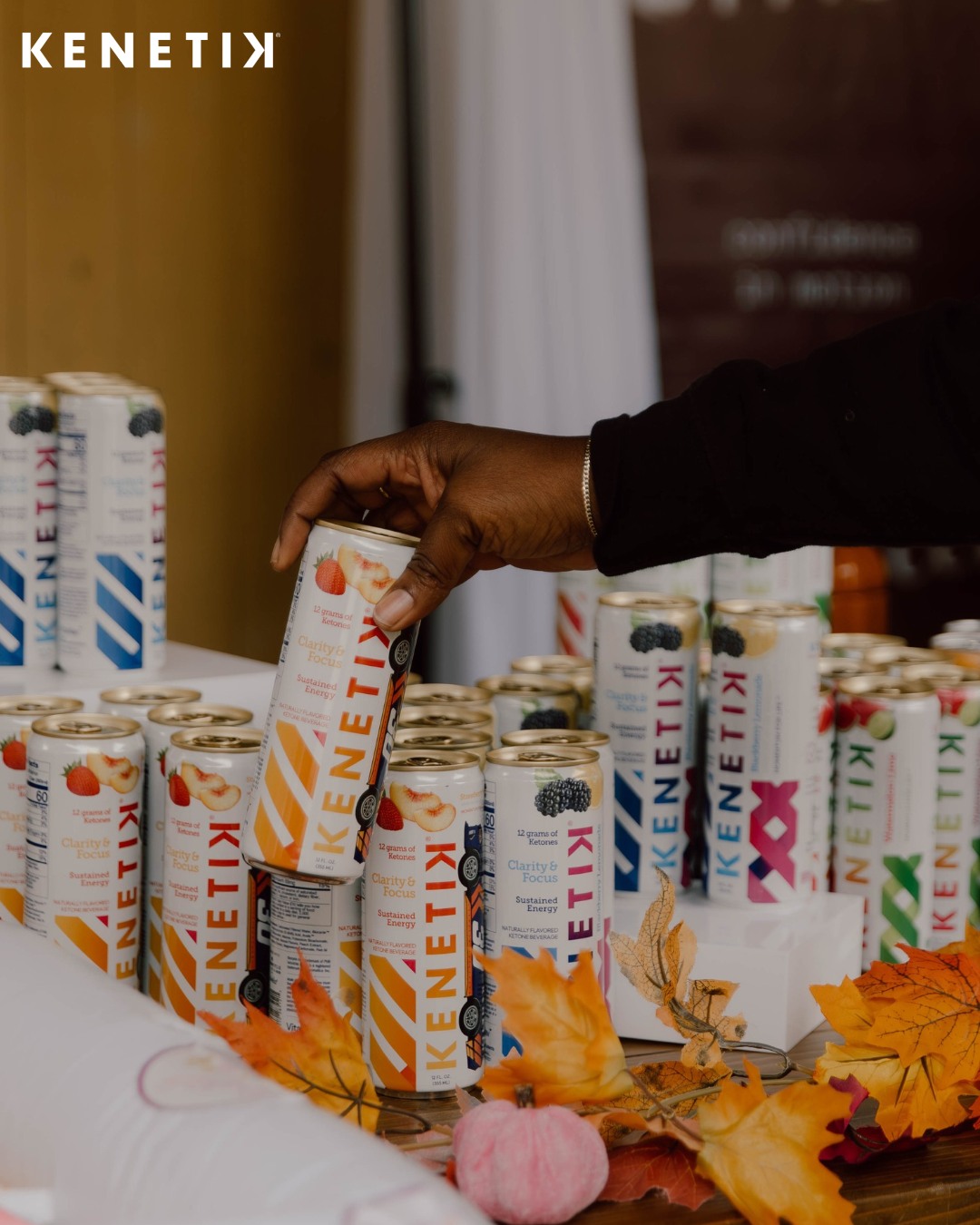
Kenetik Positions Blueberry Acai and a Biohacker Investor Roster as Its Caffeine-Free Alternative Play
Kenetik, the caffeine-free ketone beverage brand started by brothers Devon and Peter, carries a Blueberry Acai variety and counts Bulletproof founder Dave Asprey among its investor-partners, per the company.
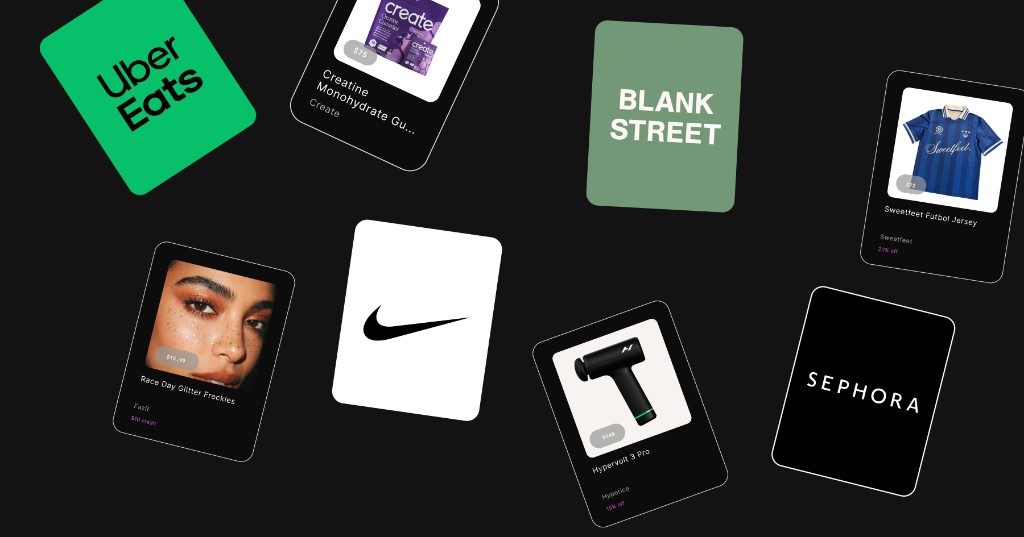
Receipts Pitches IRL Fitness Communities as a Higher-Converting CPG Acquisition Channel
Receipts embeds brand offers inside gyms and run clubs via a commission-based rewards platform, reporting pilot conversion rates far above typical social ad benchmarks for early CPG partners, per the company.