POYSE Launched a Caffeine-Free Energy Powder Built Around Paraxanthine
POYSE sells its paraxanthine-based energy powder direct-to-consumer at $39.99 per unit, with three flavors and a subscription option, positioning the caffeine metabolite as a mainstream-friendly alternative ingredient.
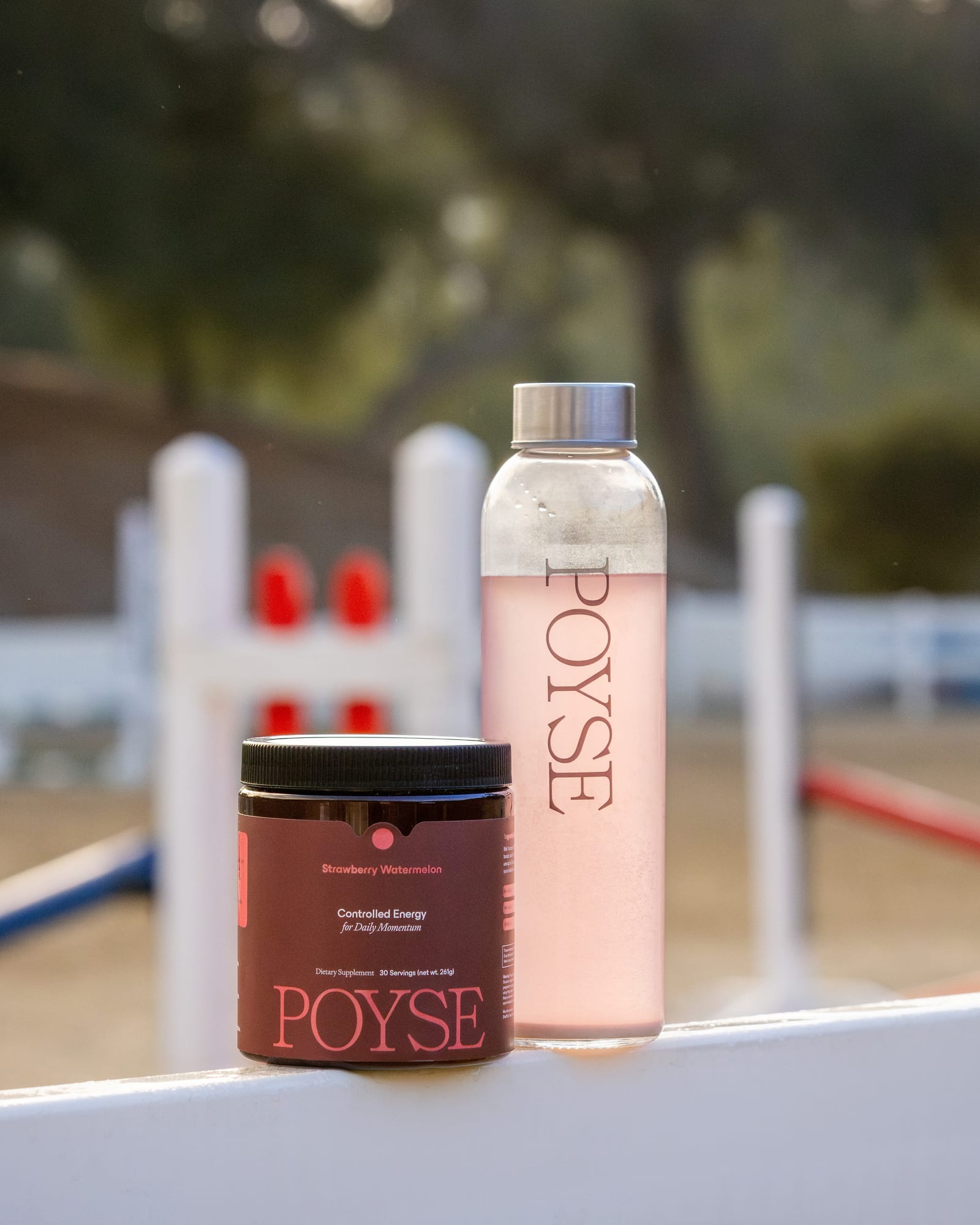
- Retail price
- $39.99 per unit, subscription option also available (per the company)
- Paraxanthine per serving
- 150mg, described as the primary metabolite of caffeine (per the company)
- Electrolyte blend
- Sodium, potassium and magnesium (per the company)
The company sells its mix through its own website at $39.99 per unit, with a monthly subscription option also available, per the company.
The brand positions paraxanthine, which it describes as the primary metabolite the body produces from caffeine, as the product's central ingredient. The powder is available in three flavors: Yuzu Citrus, Tropical Mango and Strawberry Watermelon.
The energy drink category has drawn growing interest from brands seeking to differentiate on ingredient stories as the mainstream market becomes increasingly crowded. Paraxanthine as a standalone primary ingredient represents a relatively novel angle in the energy powder segment, where some brands have explored adaptogens, nootropics or reduced-caffeine blends as alternatives for consumers wary of traditional stimulants. For a DTC-only brand, the ingredient narrative serves a dual purpose: it differentiates the product and supports a premium price point in a space where retail shelf competition is intense.
Why it matters
The subscription model POYSE offers alongside single-unit purchases signals an emphasis on repeat-purchase cadence, a critical metric for DTC functional beverage brands, given the customer-acquisition challenges typical of DTC businesses. Paraxanthine's positioning as a derivative of caffeine rather than a wholly unfamiliar compound also lowers the category education burden compared with more exotic alternatives, potentially shortening the consumer consideration cycle. If the ingredient gains traction, it could attract attention from larger energy brands looking to extend their portfolios into less stimulant-aggressive territory.
What to watch
Whether POYSE pursues retail distribution will be a defining signal for the brand's growth trajectory. A website-only approach, while capital-efficient at launch, limits volume potential. The open question is whether a paraxanthine-first positioning can sustain DTC unit economics over time, or whether the brand will eventually need retail doors to test the proposition at meaningful scale.
Featured on @cpglatest: see the post
Sources
Related coverage
Premium wellness brands have increasingly looked to energy as a natural adjacency, recognising that the
The Hamilton partnership also reflects a wider pattern in CPG where high-profile athletes move from straightforward endorsement into longer-term brand association, lending authenticity that pure sponsorship rarely delivers.
Kenetik Positions Blueberry Acai and a Biohacker Investor Roster as Its Caffeine-Free Alternative Play
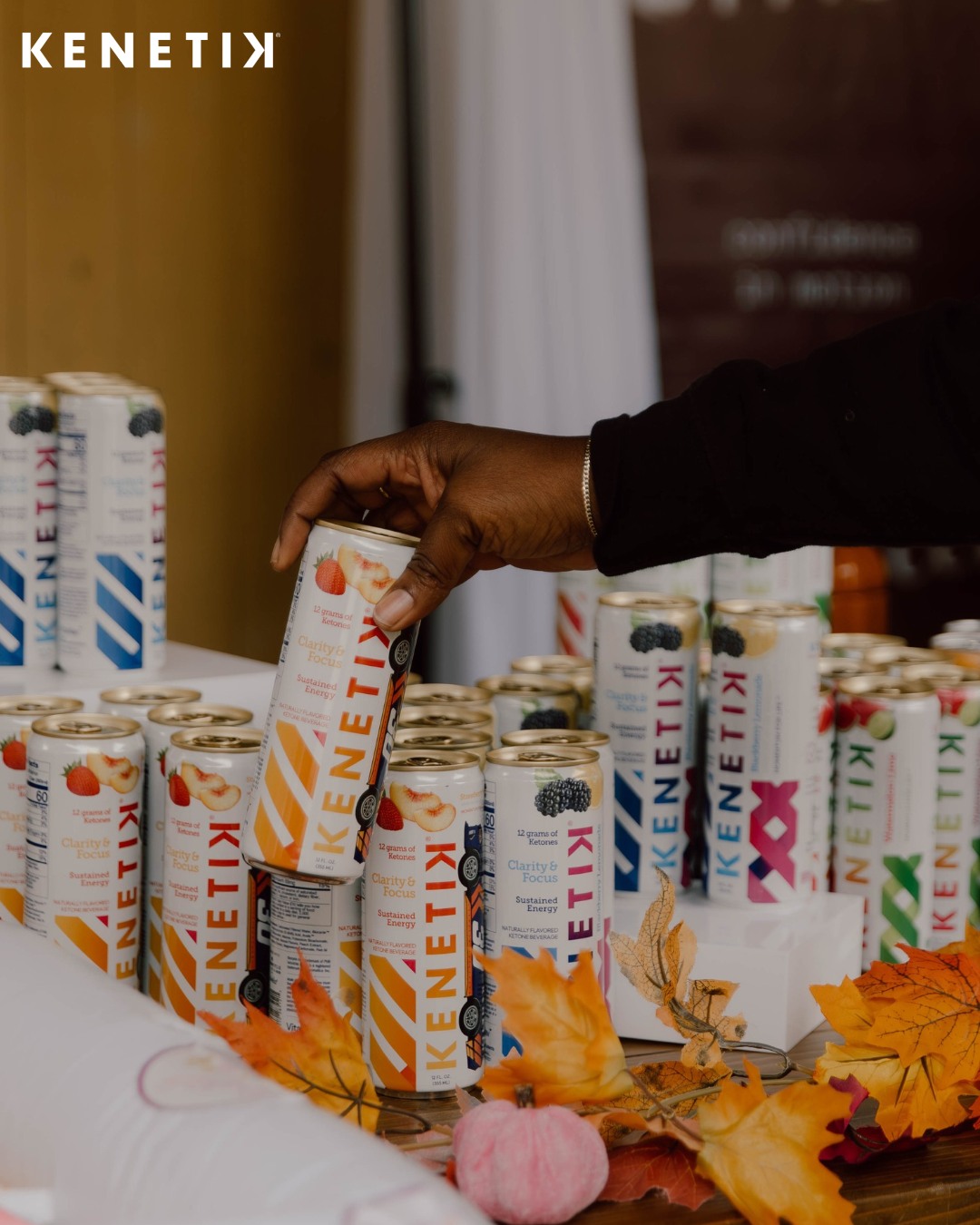
Kenetik, the caffeine-free ketone beverage brand started by brothers Devon and Peter, carries a Blueberry Acai variety and counts Bulletproof founder Dave Asprey among its investor-partners, per the company.
Motiv Matcha Pursues Energy Category With Low-Caffeine Functional Gummies
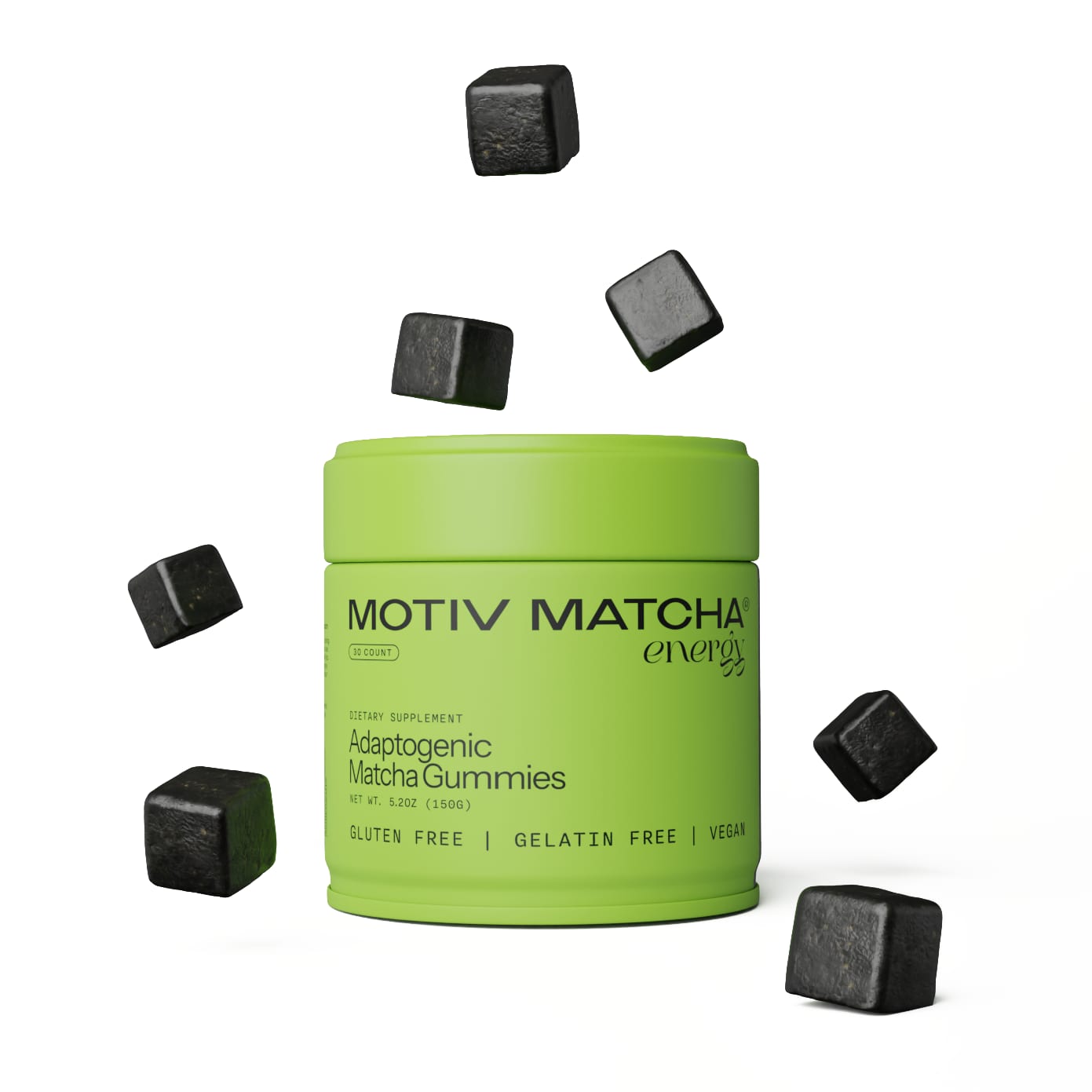
Motiv Matcha sells matcha and adaptogen gummies via DTC subscription, positioning the 10-milligram-caffeine format as a lower-stimulant alternative to conventional energy drinks.