Die Clean Launches Men's Personal Care Line With Direct-to-Consumer Bundle Model
The soap, deodorant and face lotion brand targets active men with cleaner ingredient formulas and a DTC bundle model, positioning itself between conventional grooming and underperforming clean alternatives.
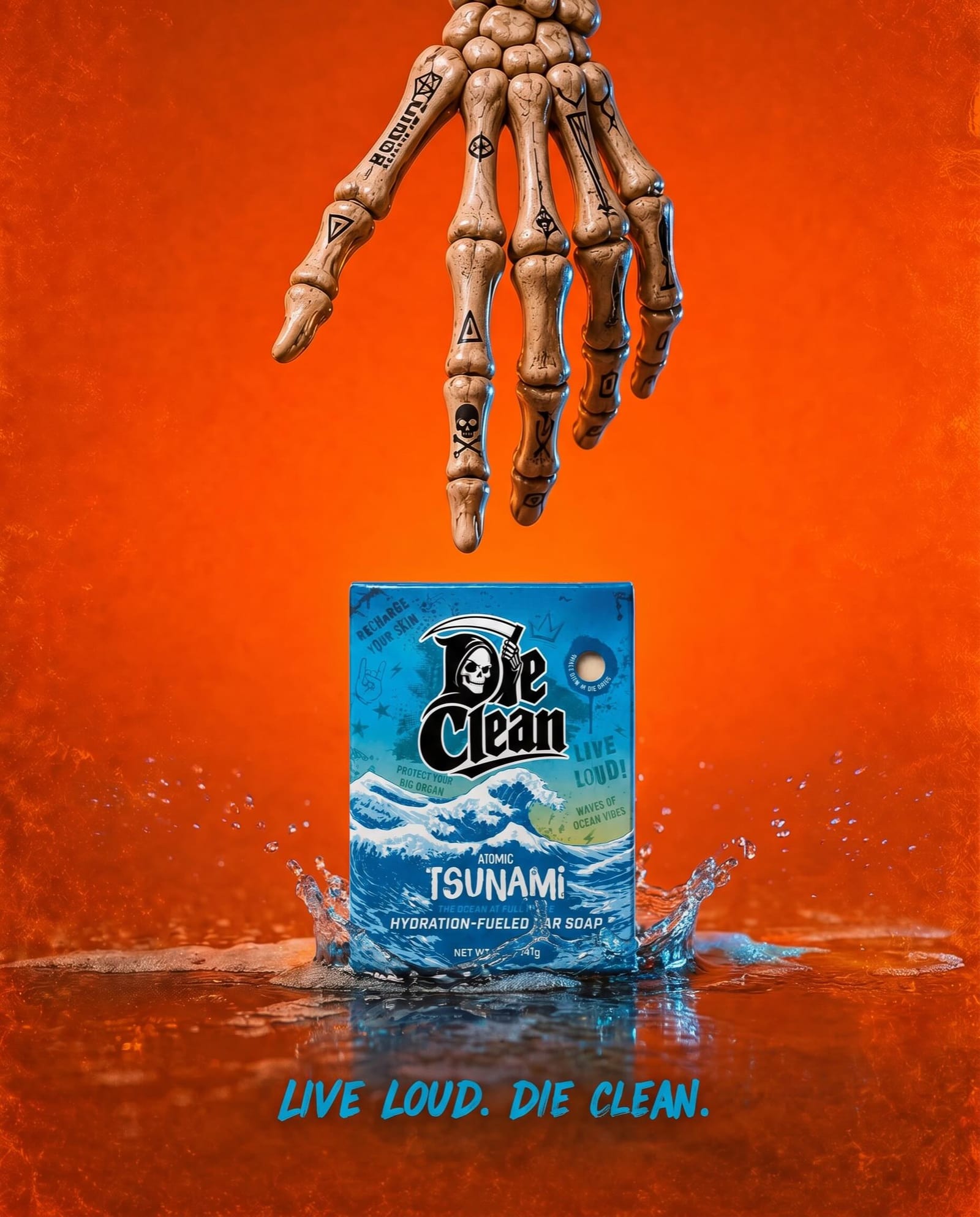
- Product range
- Soap, deodorant and face lotion, per the company
- Entry bundle price
- $20 for a soap and deodorant starter set, per the company
- Deodorant bundle price
- $96 for the deodorant bundle, per the company
- Bundle savings
- Up to 30% on multi-product bundles, per the company
- Review rating
- 97% five-star reviews, per the company
Die Clean, a men's personal care brand, has launched a direct-to-consumer line of soaps, deodorants and face lotions targeting active consumers who want cleaner ingredient profiles without what the company describes as a performance trade-off. The brand describes itself as having been created by athletes, though it does not name its founders on its public pages.
The company positions itself against two ends of the existing category: conventional men's grooming products it says rely on ingredients consumers are increasingly inclined to avoid, and the wave of clean alternatives it argues stripped efficacy alongside the questionable inputs. The brand's own pages describe a formulation standard built on whether each ingredient serves a functional purpose; those that do not are removed, per the company.
Die Clean sells through its own website, with products available individually or in configured bundles. Options range from a $20 starter set combining soap and deodorant to a $96 deodorant bundle, per the company. Multi-product bundles carry savings of up to 30 percent, also per the company. The brand reports that 97 percent of its reviews carry a five-star rating.
Why it matters
The men's personal care segment has become one of the more contested areas of the broader clean-beauty shift, with a wave of brands attempting to bring the ingredient scrutiny that now defines mainstream wellness to a consumer base that has historically been less engaged with label reading. Die Clean's approach, framing cleaner formulas around athletic identity and active lifestyles rather than wellness aesthetics, reflects a growing recognition that the conventional clean-beauty register tends to underperform with male consumers. The brand's copy and packaging lean into dark humor and physicality, a tonal choice that separates it from both legacy grooming players and the more earnest end of the clean category.
The direct-to-consumer model is a logical starting point for a challenger brand in this space. Owning the customer relationship from launch enables the bundle mechanics and order-value optimization that are harder to replicate through wholesale, and it preserves the margin structure that many clean personal care brands have struggled to maintain once they move into retail.
What to watch
Die Clean's website signals a media presence through an "As Seen On" section but does not specify outlets, and the brand has not announced retail distribution. The central open question is whether its direct-to-consumer foundation will support a move into physical retail, a channel transition that has tested many similarly positioned personal care startups as they attempt to convert early direct-sales momentum into shelf placement at scale.
Featured on @cpglatest: see the post
Sources
Related coverage
Caliwater Builds Cactus Water Brand on Celebrity Co-Founders and Growing Flavor Lineup
The prickly pear cactus water brand, co-founded by Vanessa Hudgens and Oliver Trevena, has grown to five flavors and added a kids pouch format as it pursues the functional hydration segment.
Good Girl Snacks Introduces Grab-and-Go Format for Hot Girl Pickles Line
Good Girl Snacks has extended its Hot Girl Pickles from refrigerated jars into a portable 12-pouch Grab & Go format in Original Dill and Honey Harissa as the brand moves onto physical retail shelves.
Tom Holland's BERO Grows Non-Alcoholic Beer Range and Brand Partnerships Since 2024 Launch
The premium non-alcoholic label, launched in 2024 by Tom Holland, has expanded to five beer styles, introduced glass bottle formats, and struck tie-ins with Aston Martin and Marvel.