Bare Beans Raises Funding Round to Pivot From Foodservice Into Direct-to-Consumer
The family-run brand is pivoting from restaurant and foodservice supply into direct-to-consumer ecommerce and retail, backed by a new funding round.
- Round status
- New funding round raised to support the pivot
- Previous channel
- Restaurant and foodservice supply, per the company
- Product format
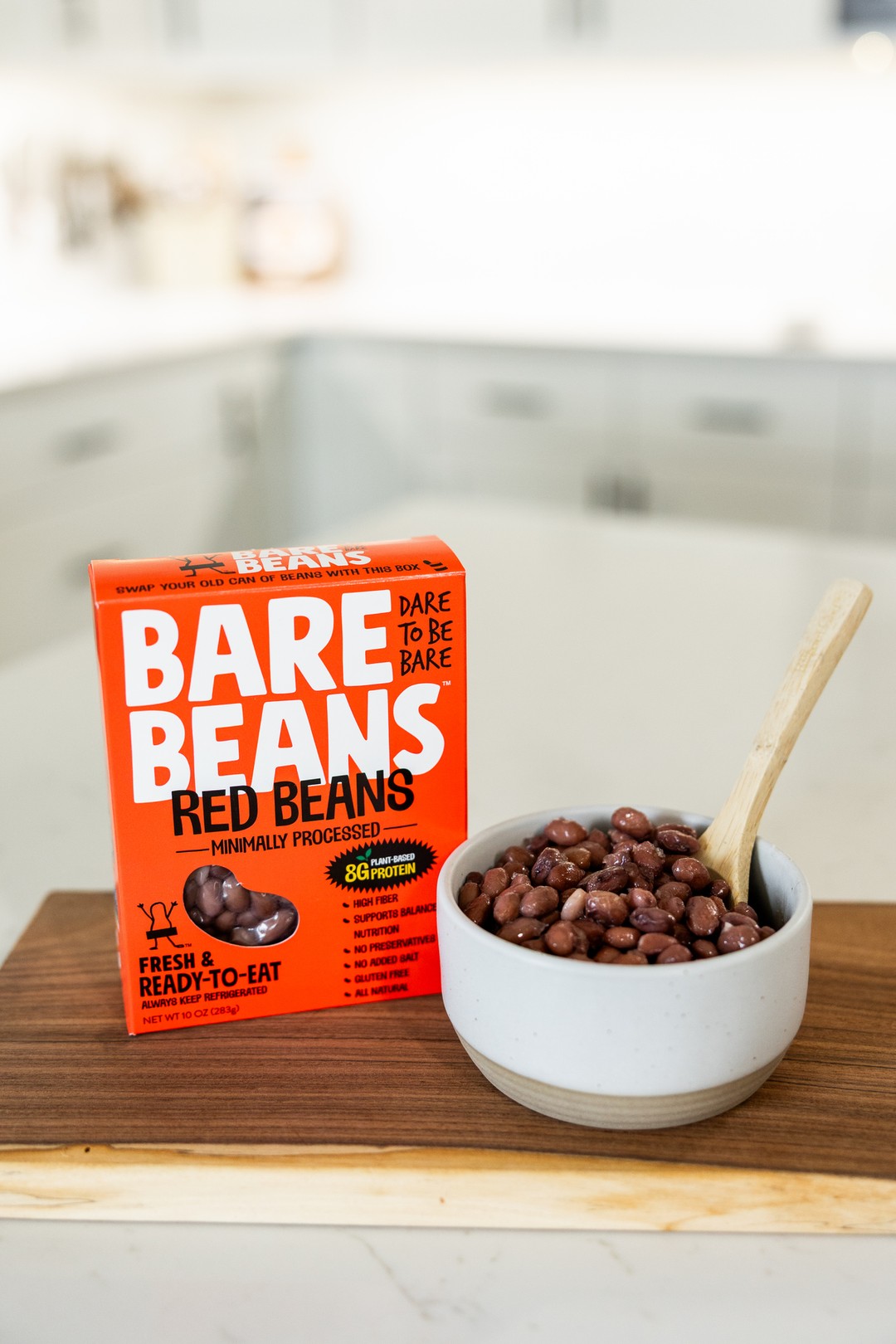
- Kettle-cooked, ready-to-eat bean pouches, per the company
- Formulation claim
- Single ingredient, no added salt or preservatives, per the company
- Expansion plan
- Ecommerce launched; retail push in preparation, per the company
Bare Beans, a family-run ready-to-eat bean brand, has raised a funding round as it moves from supplying restaurants and foodservice partners into direct-to-consumer ecommerce and broader retail distribution.
The company positions its product around minimal processing: per the company, its beans are kettle-cooked and packaged as ready-to-eat pouches formulated with a single ingredient and no added salt or preservatives. Having built its operating base through the foodservice channel, the brand has now launched ecommerce and is preparing a retail expansion.
The pivot from institutional supply to consumer-facing channels is a capital-intensive but well-worn path in specialty food. Foodservice relationships provide volume history and production credibility, while consumer margins and brand equity generally require a DTC or retail presence to scale. Bare Beans' raise signals that its leadership sees enough demand signal, whether from operators, chefs or early online customers, to make that transition.
Why it matters
The ready-to-eat legume segment sits at the intersection of convenience, clean-label positioning and the mainstream growth of plant-forward eating. Beans are among the most cost-efficient protein sources in the grocery store, but the category has historically carried a convenience penalty: canned products require rinsing and dried beans require soaking and extended cook time. A single-ingredient ready-to-eat format attempts to close that gap without adding sodium, additives or processing complexity.
For pantry-staples investors and buyers, Bare Beans also represents a broader pattern: commodity-adjacent ingredients being repositioned as branded, convenience-forward consumer products. The same logic has driven growth in pre-cooked grains, single-serve lentil pouches and refrigerated legume products in recent years. Beans, given their culinary range across global cuisines and their positioning as an affordable protein, remain one of the larger white spaces in that trend.
What to watch
The critical question is channel strategy. Whether Bare Beans targets natural and specialty grocery first or pursues a conventional mass-market entry will determine both its marketing spend and the competitive set it faces. Natural channel placement provides margin and brand-building runway; conventional grocery brings volume but demands trade spending and packaging investment that can strain early-stage brands. How the company deploys its current raise across logistics, retail execution and consumer awareness will be the clearest indicator of its near-term ambition.
Featured on @cpglatest: see the post
Related coverage
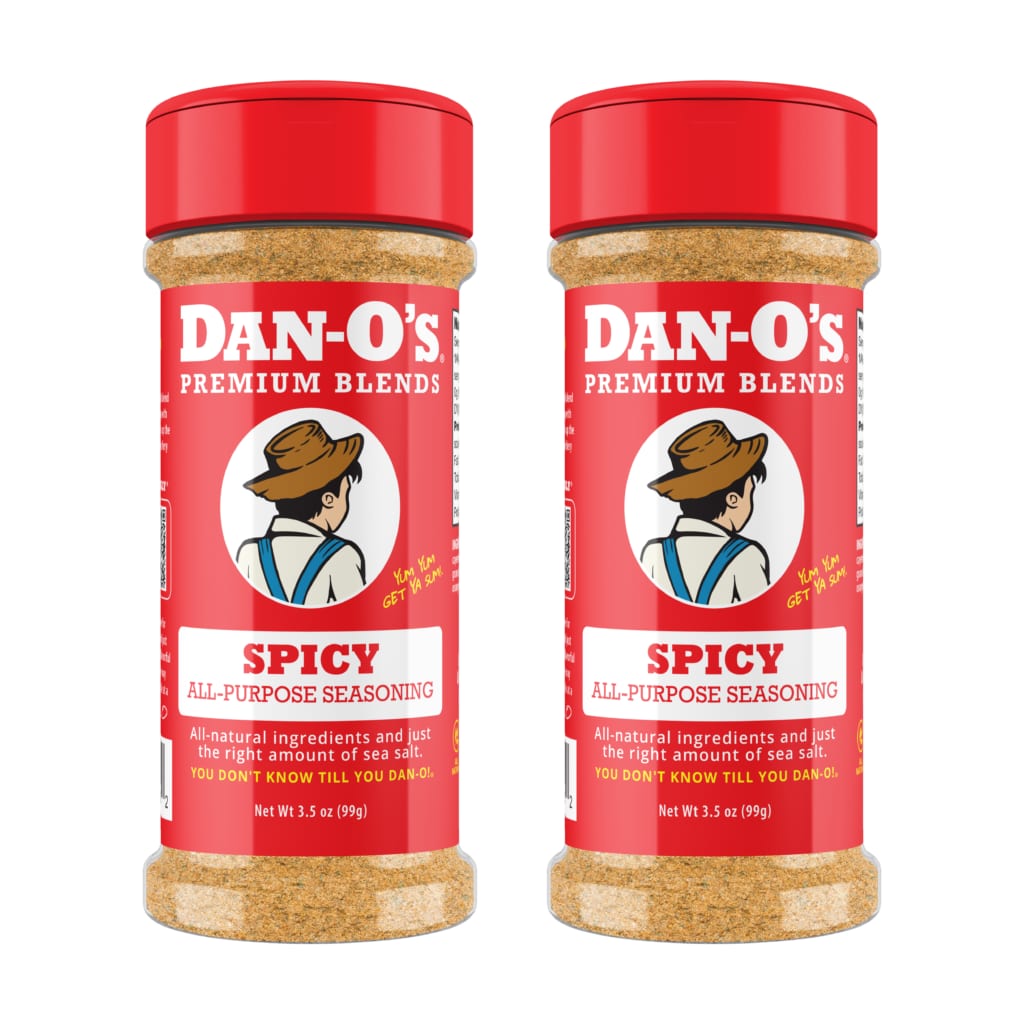
Dan-O's Seasoning Secures $25 Million PE Investment from The Newcastle Network
The Louisville-based spice brand, now in more than 22,000 U.S. retail doors, will use the capital to develop new product formats and extend its retail and online reach, per The Newcastle Network's announcement.
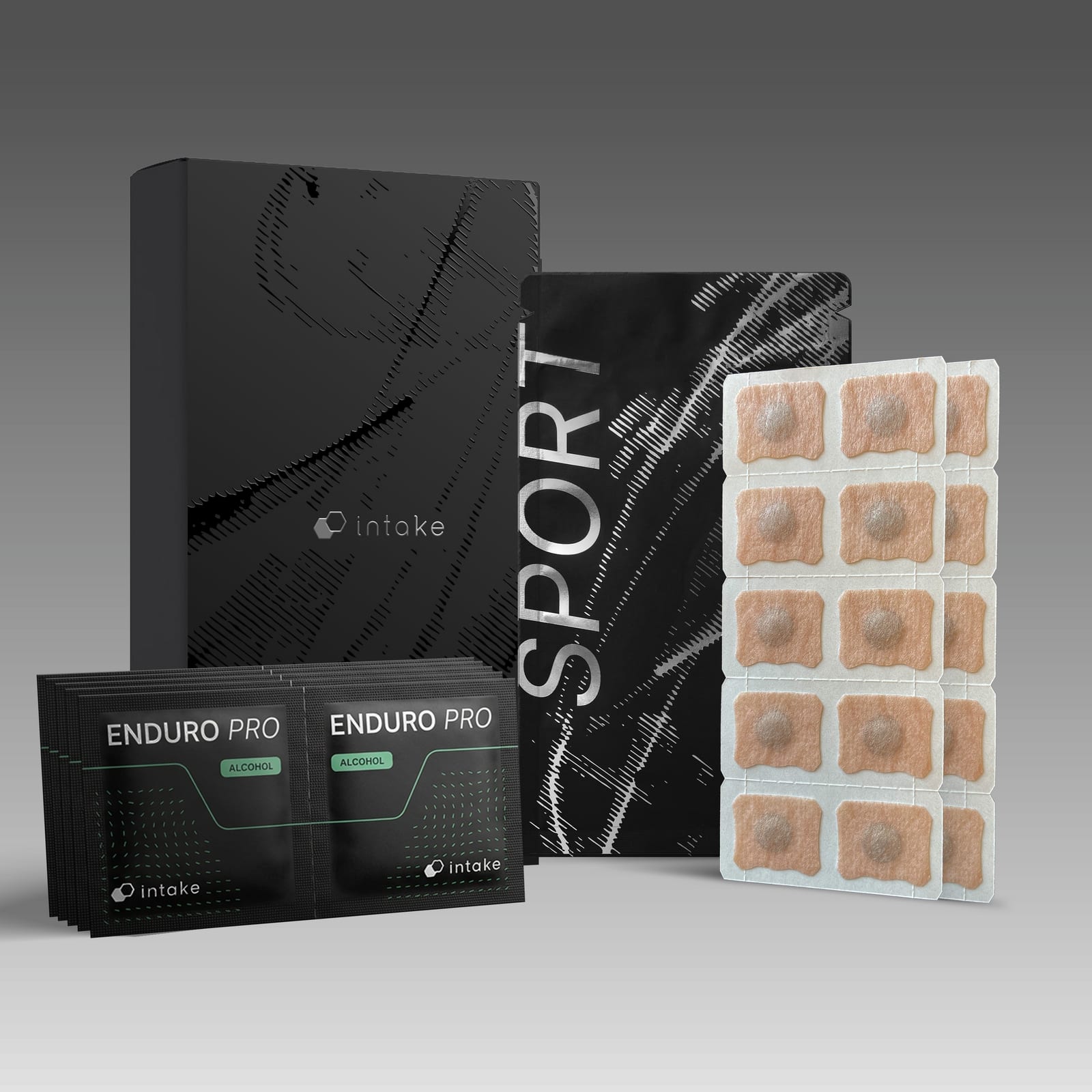
Intake Breathing Raises $62 Million From Camino Partners to Enter Mass Retail
Camino Partners, founded by KIND Snacks' Daniel Lubetzky, backed the round as the magnetic nasal dilator brand prepares to move beyond its DTC and Amazon channels into mass retail, per Modern Retail.
Kalshi Closes $1 Billion Round at $40 Billion Valuation
CNBC reported that Kalshi's $1 billion raise co-led by Sequoia Capital and Wellington Management values the exchange nearly eight times higher than it was just one year ago.