The company currently sells three pizza varieties direct to consumers at $12.99 each: Mozzarella Cheese
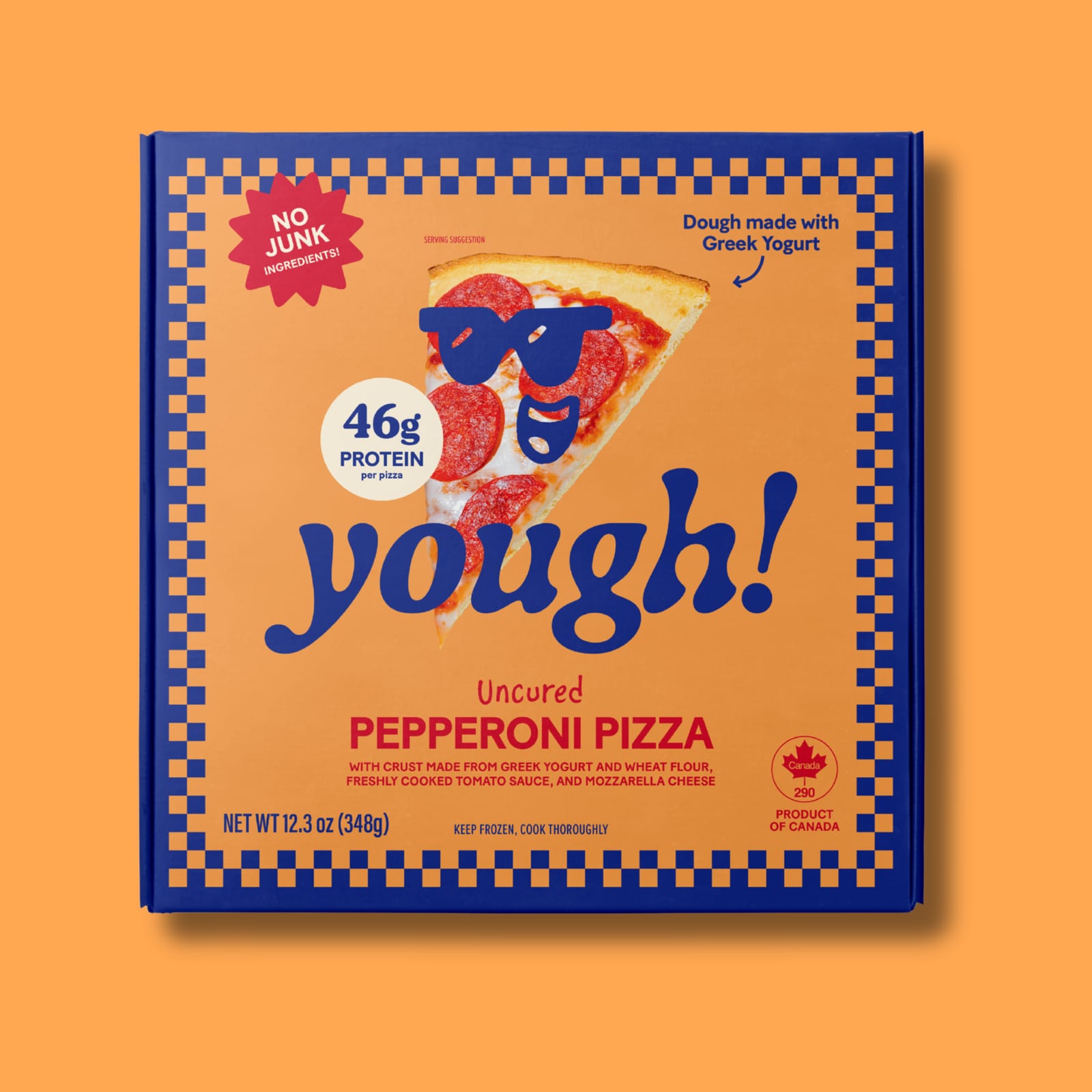
The company currently sells three pizza varieties direct to consumers at $12.99 each: Mozzarella Cheese, Farmer's Vegetable, and Uncured Pepperoni.
- Current SKUs
- Mozzarella Cheese, Farmer's Vegetable, Uncured Pepperoni pizzas, reported
- Retail price
- $12.99 per pizza, per the company
- Dough formula
- Greek yogurt and organic wheat flour, per the company
- Current sales channel
- Direct-to-consumer via eatyough.com
- Co-founder initiative
- Haleigh Rosa leads the "For Everyone Foundation," per the company
The company currently sells three pizza varieties direct to consumers at $12.99 each: Mozzarella Cheese, Farmer's Vegetable, and Uncured Pepperoni.
Per the company, its dough is made from two ingredients: Greek yogurt and organic wheat flour. The brand says it drew inspiration from two-ingredient dough recipes that went viral on TikTok in recent years, applying the concept to a frozen pizza format positioned around cleaner ingredients and a protein-forward profile. At $12.99 per pizza, the brand sits at the premium end of a frozen pizza category that has historically been defined by low price points and long ingredient lists. The company sells exclusively through its own website, eatyough.com, making the planned retail expansion a significant channel shift.
Co-founder Haleigh Rosa, described by the company as a disability advocate from South Florida, also leads the "For Everyone Foundation," which the company says works to bring inclusivity and accessibility to a new generation of consumers.
Why it matters
The frozen pizza category is large and mature, dominated by legacy brands competing on price and convenience. Yough's bet is that there is room for a premium, protein-forward entrant that trades on ingredient simplicity rather than aggressive pricing. The Greek yogurt dough concept, which originated as a DIY social media trend, gives the brand an organic consumer narrative well suited to performance marketing and social commerce. Converting that direct-to-consumer traction into retail shelf space is the next meaningful test: frozen food aisles at major grocers require consistent velocity data, cold-chain logistics, and retailer relationships that differ substantially from running an online store.
The funding round positions Yough within a broader movement of better-for-you frozen brands that have used protein-forward or clean-label positioning to carve out space against incumbents. Whether the Greek yogurt format holds up to retail freezer conditions and mainstream consumer taste expectations at a $12.99 price point will determine how far the brand can realistically scale.
What to watch
The key open question is which retail partners Yough targets first and at what door count. A regional launch with a specialty or natural grocery chain would validate the premium positioning; a broader conventional grocery rollout would test whether the brand's direct audience translates into the shelf velocity retailers require to justify continued placement.
Featured on @cpglatest: see the post
Sources
Related coverage
Chomps Secures $350 Million Minority-Stake Investment from Sixth Street
Sixth Street acquires a minority stake for $350 million, joining existing backer Stride Consumer Partners and placing two representatives on the Chomps board while current leadership stays in place.

Duetti Secures $665 Million in Financing to Scale Music Catalog Acquisitions
Music Week reported the $665m package includes a $450m asset-backed securitisation anchored by Carlyle, bringing Duetti's total capital raised to more than $1.3 billion since its 2022 launch.
Freestyle Snacks Builds Portable Olive and Pickle Brand
The certified women-owned brand, led by founder and CEO Nikki Seaman, built its line around portable olive pouches before expanding into multiple pickle formats targeting the convenience snacking occasion.