Scoops Grew Monthly Sales from $25K to $400K in Five Months at Target
Entrepreneur first reported that Liz Lane secured a deal for more than 1,100 Target stores in December 2025 before Scoops launched, raising $500,000 from supply-chain partners to fund a May 2026 rollout.
- Peak monthly sales
- $400,000 per month, per Entrepreneur (October 2026)
- First-month sales
- $25,000 at May 2026 launch, per Entrepreneur
- Seed funding raised
- Approx. $500,000, primarily from supply-chain partners, per Entrepreneur
- Target store count
- More than 1,600 locations, per the company
- Retail price per SKU
- $49.99 for Original Peanut and Chocolate, per the company
Originally reported by Entrepreneur.
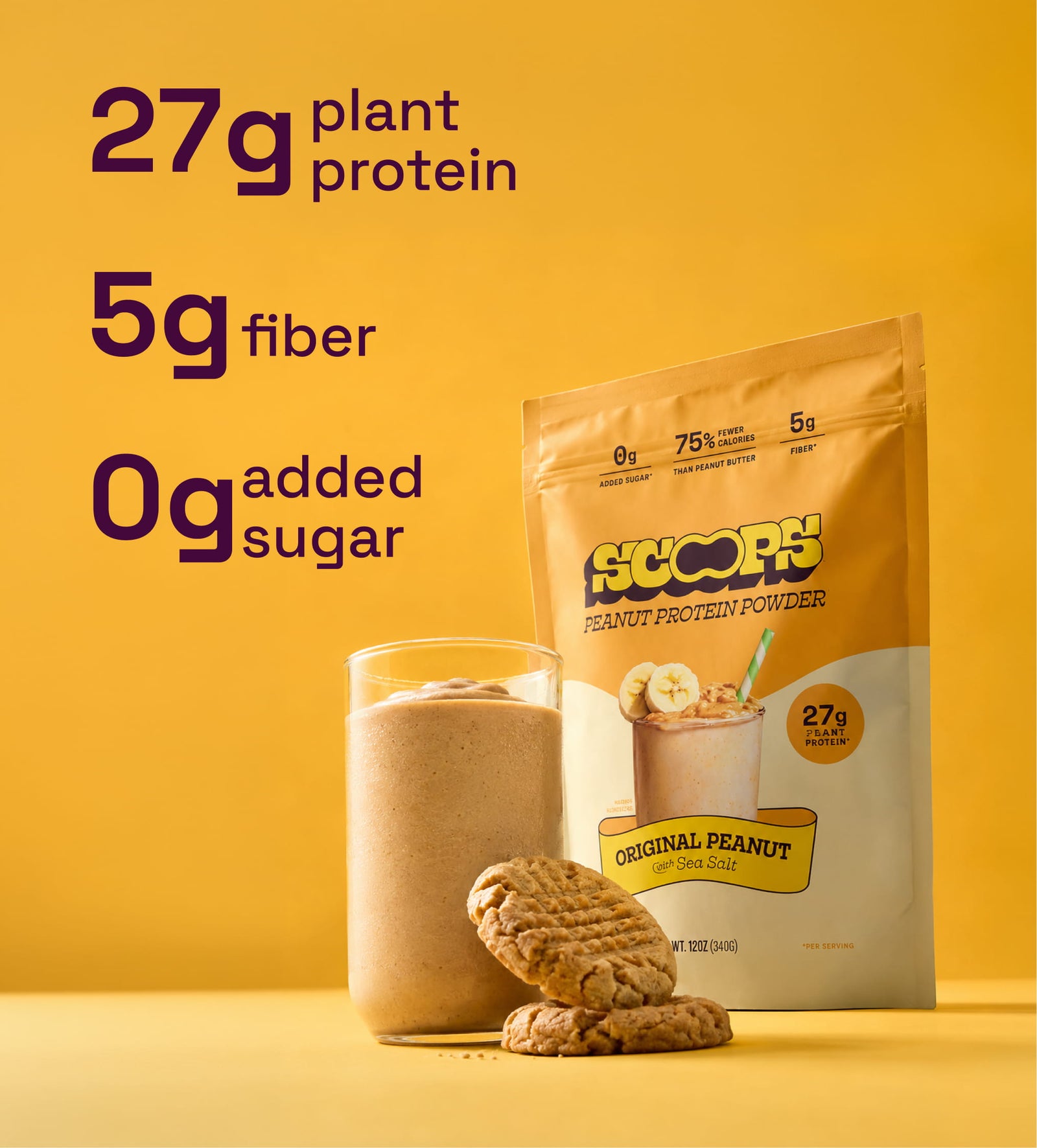
Scoops, a peanut protein powder brand, grew from $25,000 in first-month sales to $400,000 in monthly revenue within five months of its May 2026 launch at Target, according to a founder interview first reported by Entrepreneur in October 2026. The brand secured its retail commitment before it had a finished product, an unusual path into mass retail that sits at the center of founder Liz Lane's account.
Lane told Entrepreneur that she pitched the concept to Target in late July and early August 2025 with branding and a single sample, originally targeting a pilot of 250 to 500 stores. Target awarded a deal for more than 1,100 doors in December 2025. With roughly three months to prepare for the May 2026 shelf date, Lane raised approximately $500,000, primarily from supply-chain partners: the manufacturer and ingredient suppliers who already knew her from earlier engagements took the largest positions, she told Entrepreneur. Lane had previously served as the first U.S. operations hire at Huel and later ran operations at Magic Spoon from an early stage, establishing the relationships that made the raise possible.
The company positions Scoops in Target's peanut butter aisle rather than the supplement section, a placement the brand says is designed to reach everyday grocery shoppers rather than performance-supplement buyers. The two SKUs, Original Peanut and Chocolate, retail at $49.99 each, per the company. The company says the brand is now in more than 1,600 Target locations, up from the initial 1,100-plus door award. The two-person team, which includes CMO Lauren Browning, funded marketing primarily through influencer gifting and leaned on an 11-week Target end cap for in-store visibility, Lane told Entrepreneur.
Why it matters
The Scoops launch illustrates a supply-chain-equity model that reduces a founder's dependence on institutional capital. By giving manufacturer and supplier partners a financial stake, Lane aligned her production network's incentives with the brand's performance from the outset. That structure also concentrated risk: most of the $500,000 raised was deployed into Target inventory before the brand had demonstrated any consumer demand. The peanut butter aisle placement is equally significant as a category signal. Protein powders have historically competed in supplement aisles against large-format tubs and performance-focused branding; placing a powder next to peanut butter jars repositions the product as a pantry staple and targets a broader, less committed protein buyer who would never browse the supplement aisle.
What to watch
Lane told Entrepreneur that the brand holds a period of U.S. exclusivity on the peanut protein isolate from its supplier. The central open question is how long that window lasts and whether an established protein brand or a peanut butter incumbent moves to develop a competing ingredient before Scoops can deepen its retail presence and build durable brand recognition. The company's indication that it is working on new products adds a further variable: whether a two-SKU launch can extend into a broader peanut-based protein platform will define the brand's long-term shelf viability at Target and beyond.
Featured on @cpglatest: see the post
Sources
Related coverage
Serena Williams Takes Managing Partner Role at Starfire Ventures
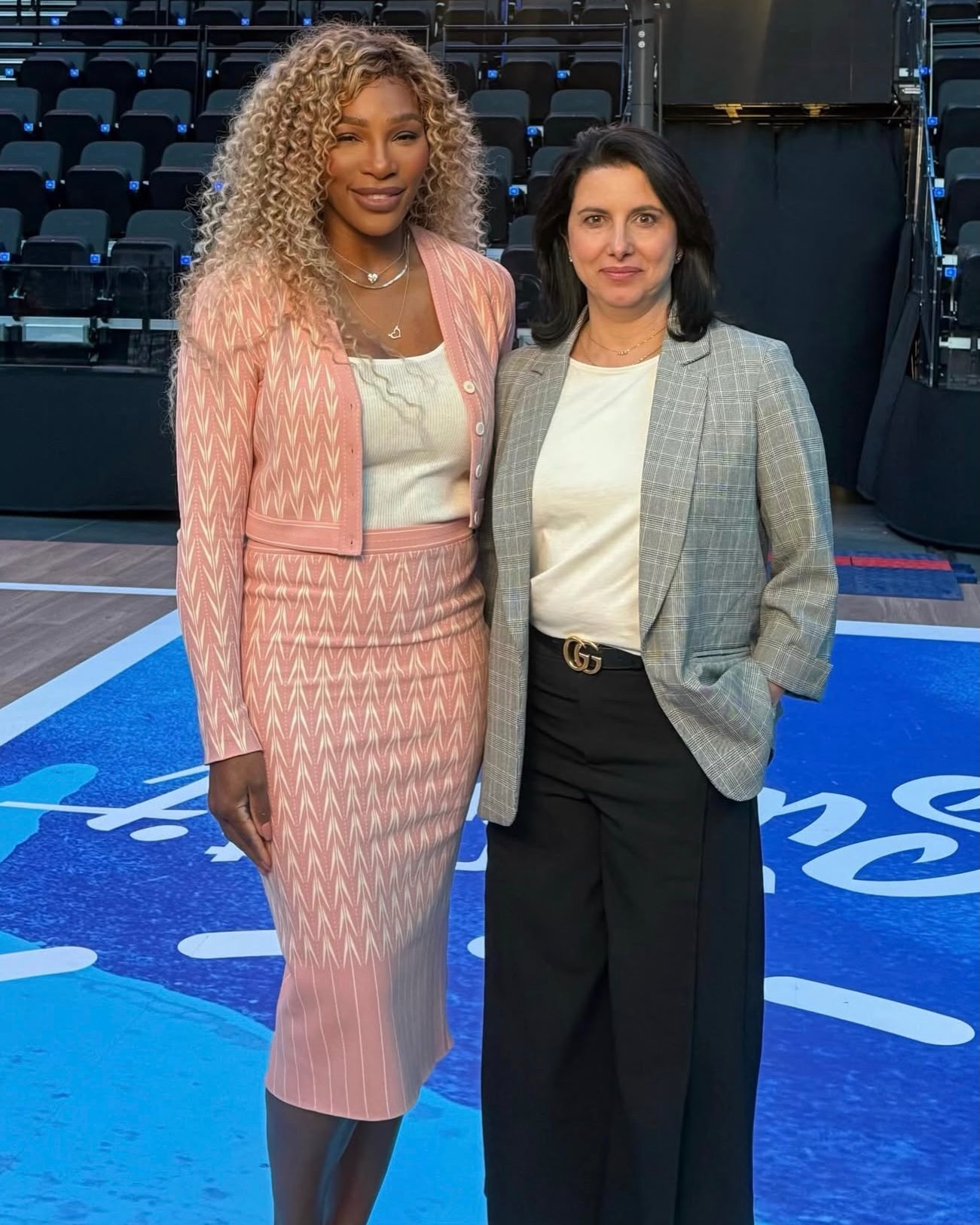
Serena Williams takes the Managing Partner role at Starfire Ventures, a firm whose press materials also reference her prior Serena Ventures vehicle and a portfolio spanning AI, fintech, and consumer e-commerce.
The Ellsworths built Poppi into a brand significant enough to attract a major acquisition by one of the
The Ellsworths built Poppi into a brand significant enough to attract a major acquisition by one of the world's largest food and beverage companies.
The Chemo Club Builds Cancer Care Brand Around Fashion, Community and an Impact Fund
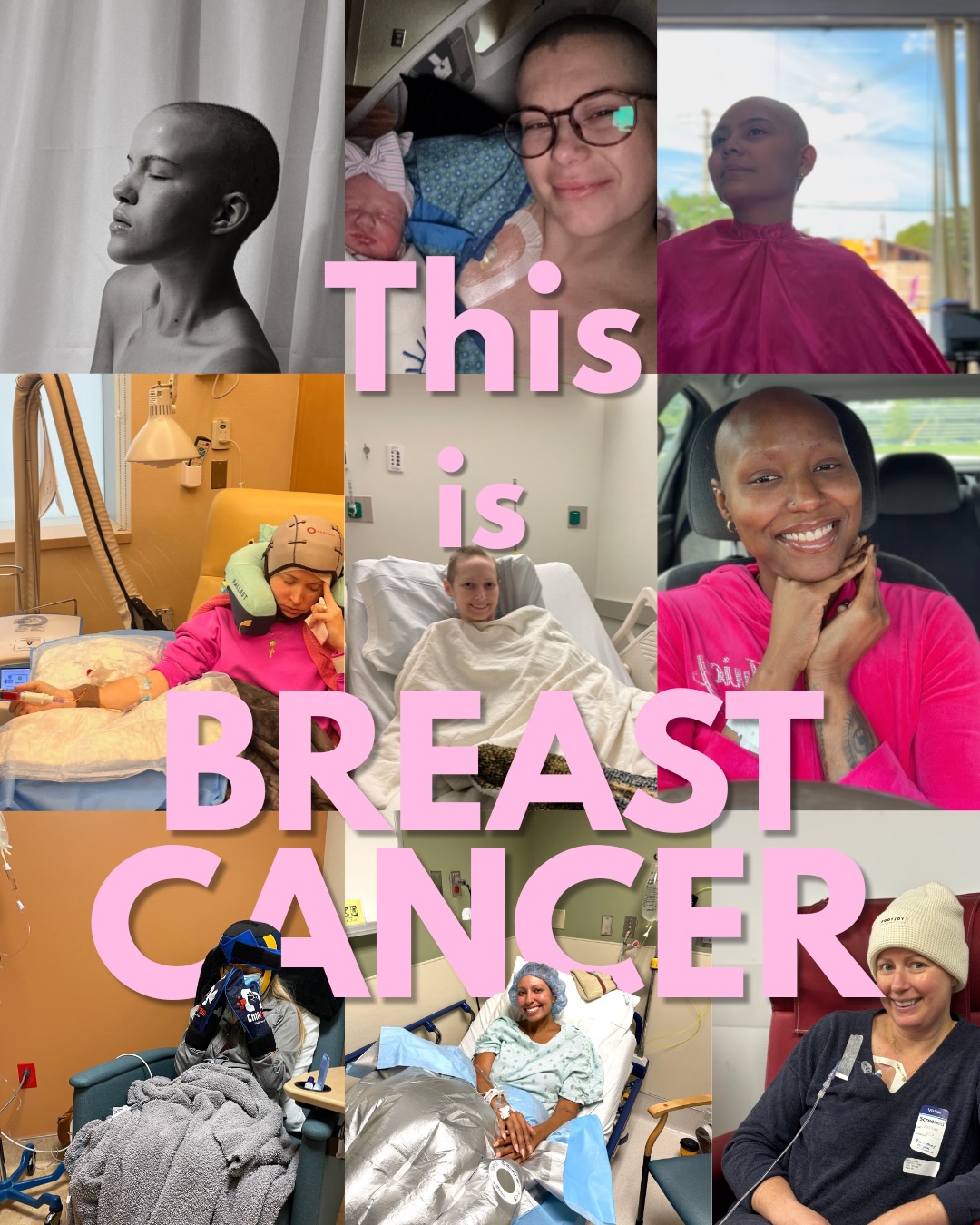
Alexandra O'Brien Roualdes built The Chemo Club after becoming her mother's caregiver, combining runway apparel, a podcast and an Impact Fund into a cancer support brand now serving more than 5,000 members.