Feel Good Foods Adds New SKUs as Gluten-Free Frozen Brand Reaches 25,000 U.S. Doors
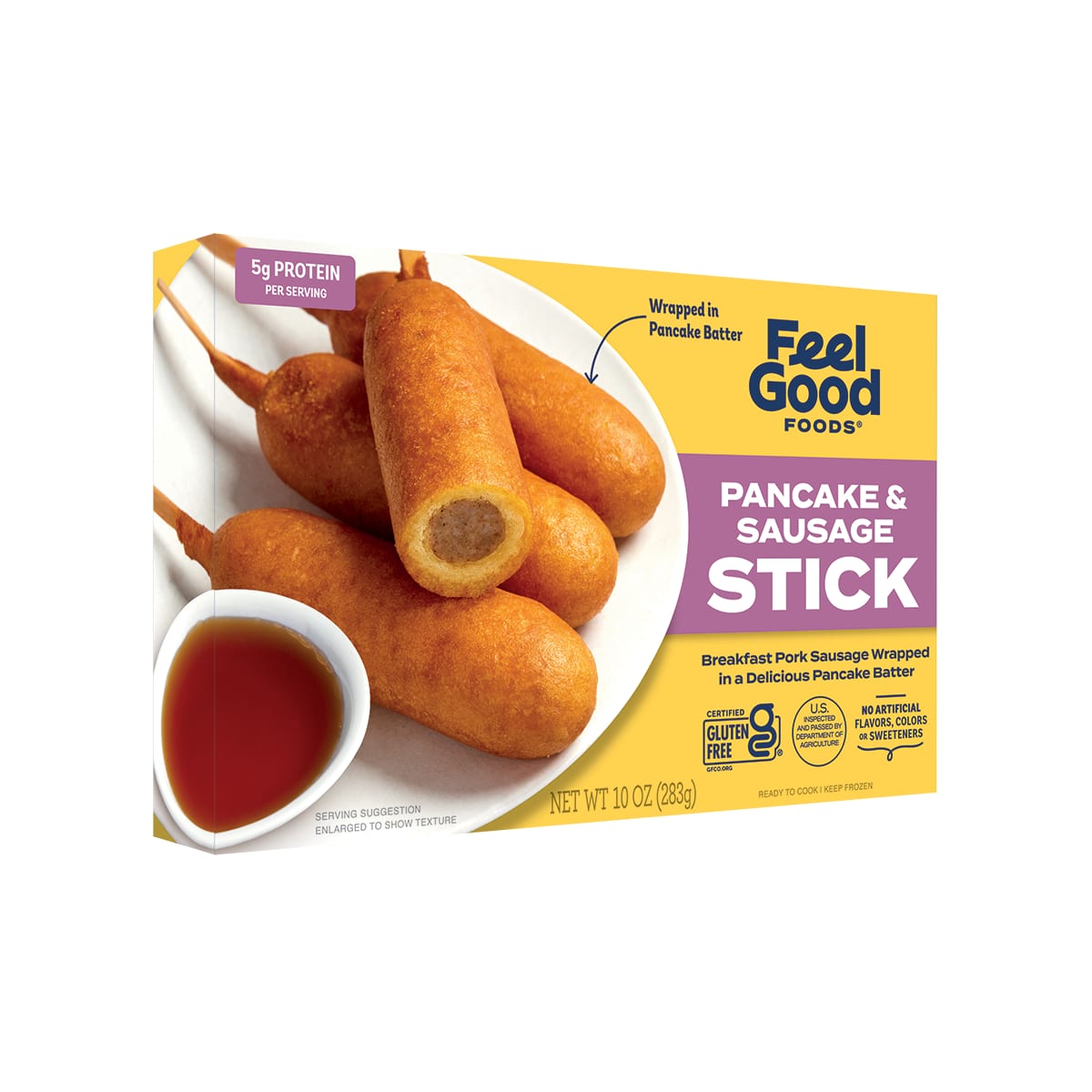
The gluten-free frozen brand co-founded by Vanessa Phillips is adding onion rings and pancake and sausage sticks to a lineup already stocked in 25,000 U.S. retail doors.
- Retail footprint
- Available in 25,000 grocery stores nationwide, per the company
- Founders
- Co-founded by Vanessa Phillips and chef Tryg, per the company
- Key retailers
- Whole Foods, Walmart, Target, Amazon Fresh, Thrive Market (per company)
- New product additions
- Gluten-free onion rings and pancake & sausage sticks (per company)
- Core snack lineup
- Mozzarella sticks, potstickers, pizza bagels, egg rolls (per company)
Feel Good Foods, the gluten-free frozen food brand available in 25,000 grocery stores across the United States, is expanding its product lineup with two new additions: gluten-free onion rings and pancake and sausage sticks, per the company.
The brand was co-founded by Vanessa Phillips, who was diagnosed with celiac disease at age 20, and a chef named Tryg, according to the company's own account of its origins. Phillips grew up working in her family's Chinese restaurants and bagel shops and set out to recreate comfort foods she could no longer eat after her diagnosis. The portfolio now spans appetizers and breakfast items including mozzarella sticks, potstickers, soup dumplings, pizza bagels, and French toast sticks, per the company. Distribution reaches Whole Foods Market, Walmart, Target, Amazon Fresh, and Thrive Market, among other national retailers, per the company.
The new onion rings and pancake and sausage sticks extend a lineup that already covers both snack and morning dayparts, signaling that the brand is pushing for more occasions in the freezer aisle rather than simply adding SKU variety within a single segment.
Why it matters
The gluten-free frozen food segment has historically occupied a narrow shelf position, stocked in specialty sections and commanding a premium that limited mainstream reach. Feel Good Foods' footprint of 25,000 doors, spanning conventional mass retailers such as Walmart and Target alongside natural channel anchors like Whole Foods Market, illustrates how the segment has shifted from niche to mainstream. Adding nostalgic formats such as onion rings and breakfast stick items, rather than competing on nutrition messaging alone, reflects a broader industry move toward positioning gluten-free as a comfort category rather than a purely medical one. Brands that frame dietary restrictions as a gateway to familiar flavors have found it easier to drive trial among consumers without diagnosed sensitivities.
What to watch
The critical open question is velocity. Distribution at scale across mass, club, and natural channels tests whether the brand's comfort-food positioning can sustain repeat purchase rates among a retail base that includes shoppers without any dietary restriction, not just those managing celiac disease.
Featured on @cpglatest: see the post
Sources
Related coverage
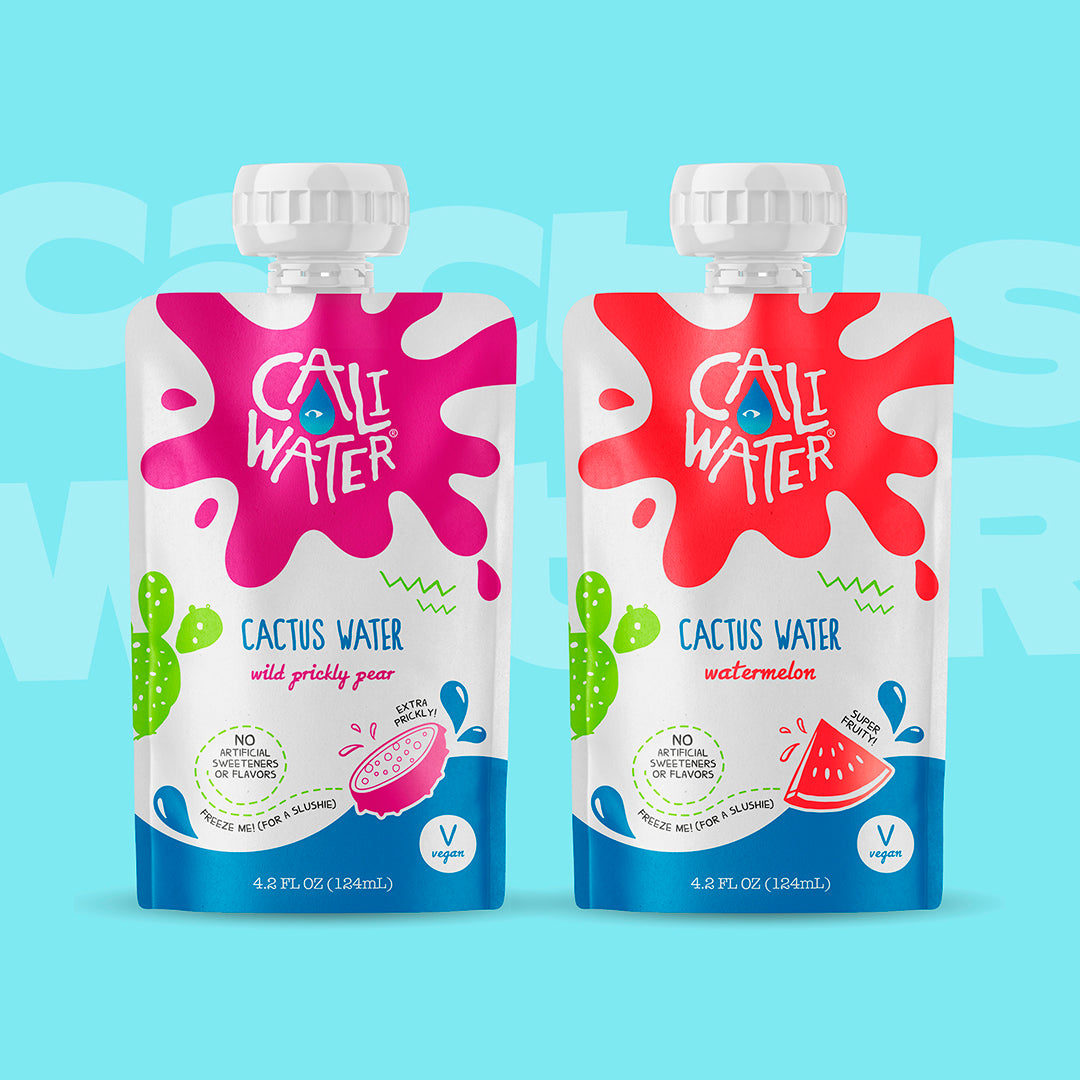
Caliwater Builds Cactus Water Brand on Celebrity Co-Founders and Growing Flavor Lineup
The prickly pear cactus water brand, co-founded by Vanessa Hudgens and Oliver Trevena, has grown to five flavors and added a kids pouch format as it pursues the functional hydration segment.
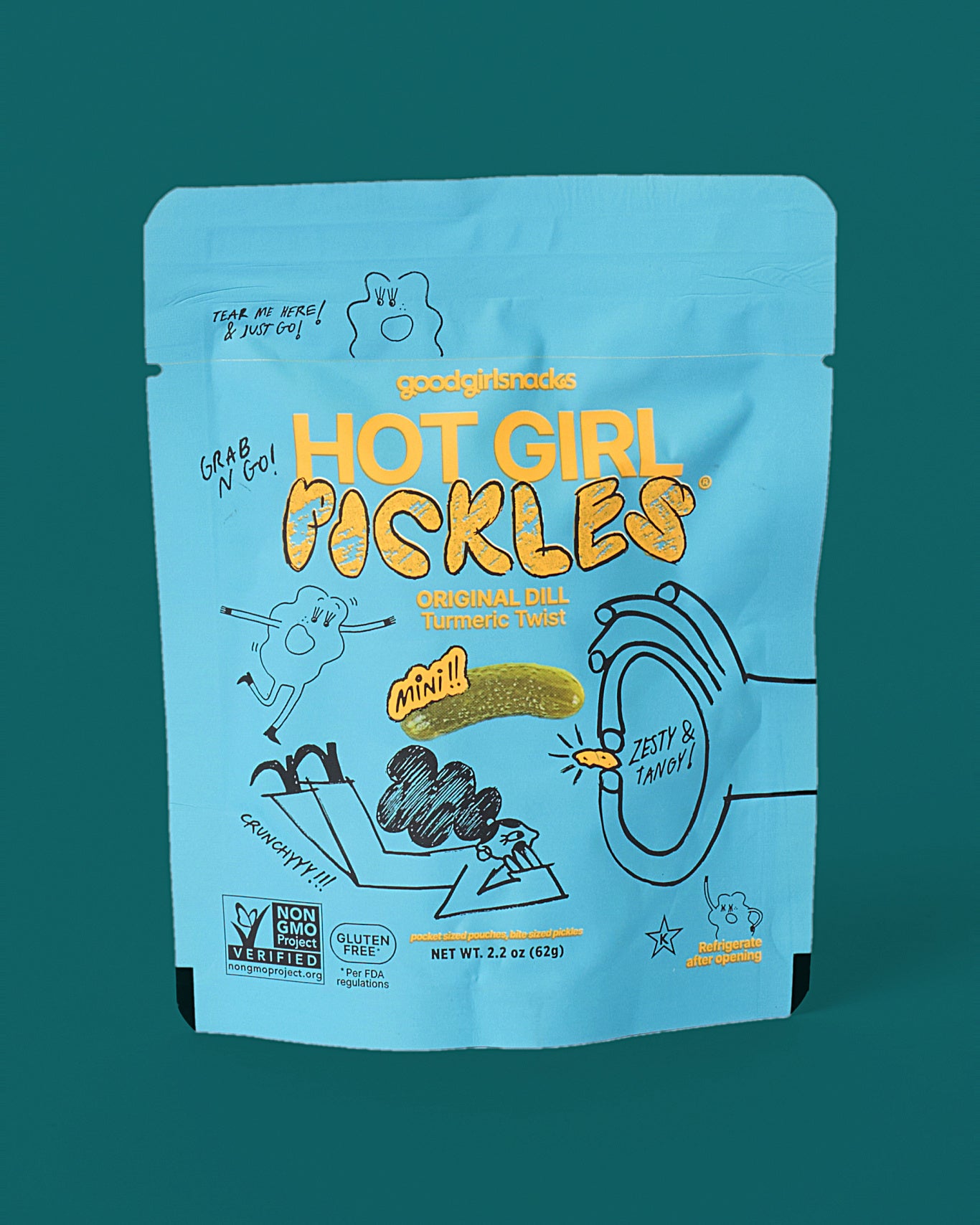
Good Girl Snacks Introduces Grab-and-Go Format for Hot Girl Pickles Line
Good Girl Snacks has extended its Hot Girl Pickles from refrigerated jars into a portable 12-pouch Grab & Go format in Original Dill and Honey Harissa as the brand moves onto physical retail shelves.
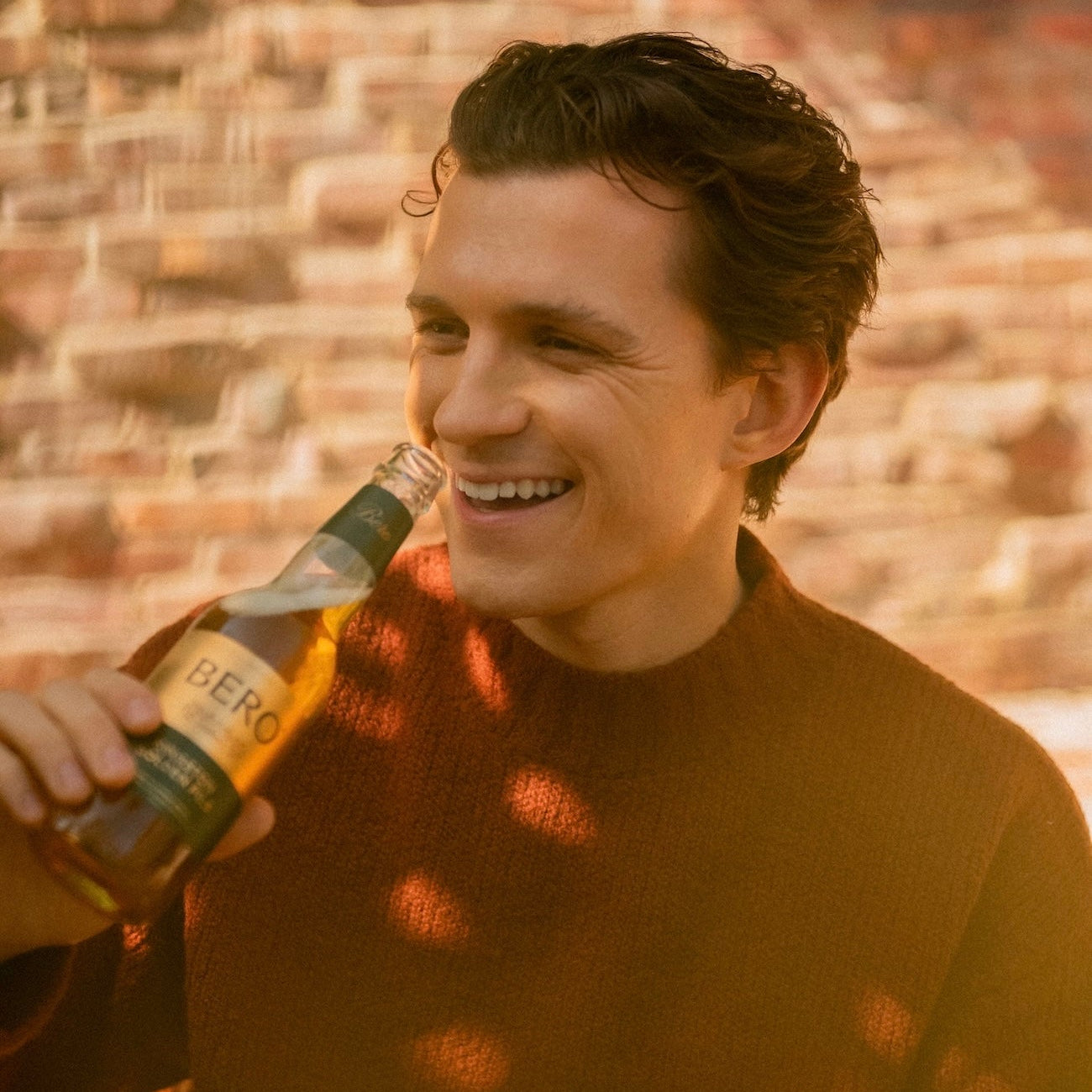
Tom Holland's BERO Grows Non-Alcoholic Beer Range and Brand Partnerships Since 2024 Launch
The premium non-alcoholic label, launched in 2024 by Tom Holland, has expanded to five beer styles, introduced glass bottle formats, and struck tie-ins with Aston Martin and Marvel.